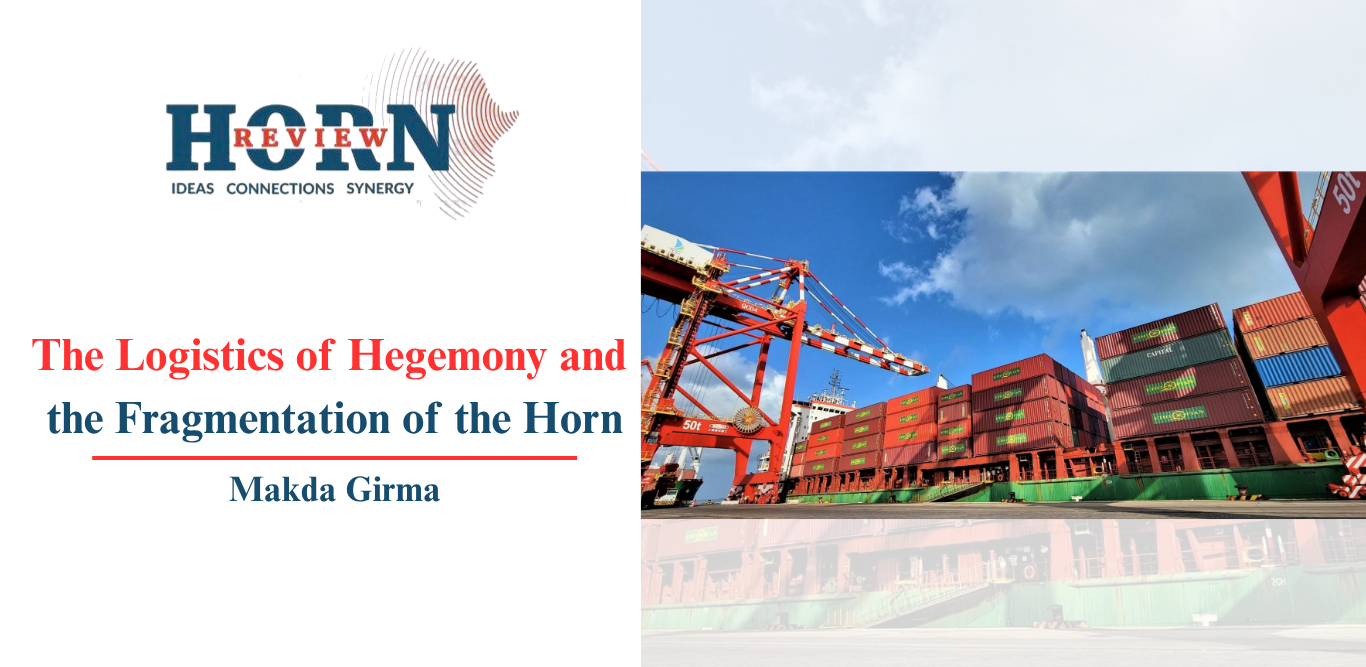
The Hormuz Shock of 2026 hit hard, forcing shipping lines to reroute around a choked Strait and turning the Horn of Africa into the port of last resort for much of the world’s redirected cargo. Ethiopia, now well past 120 million people and still the planet’s largest landlocked country, suddenly felt the full weight of its old vulnerability. For years, more than 90 percent of its trade had funneled through Djibouti in what looked like simple convenience but had become a dangerous strategic chokehold. In response, Addis Ababa has pushed hard to build the Berbera-Lamu-Addis axis, a network meant to smash that monopoly and create real redundancy. What has emerged, however, is something more complicated than straightforward progress: a state of volatile equilibrium. Diversification brings breathing room, yet it also multiplies risks, widens the playing field for spoilers, and pulls outside powers deeper into the region’s already tense politics.
As the Berbera-Addis logistics axis reaches operational maturity, its growing throughput is openly challenging the long dominance of the Addis-Djibouti Rail line. The 2024 memorandum of understanding between Ethiopia and Somaliland was the real turning point. With major upgrades funded through substantial port investments, Berbera now handles containers far more efficiently and offers a practical 11-hour road journey to Addis Ababa. Ethiopian exporters finally have a faster, cheaper option for reaching Gulf and Asian buyers. The foreign operator involved has become more than a business partner; it acts as a powerful non-state player that quietly reshapes control on the ground. Somaliland gains badly needed revenue, jobs, and a boost to its governing institutions. Ethiopia secures its vital sea exit. But none of this comes without cost. The recognition-for-access bargain has sharpened tensions with Mogadishu. By treating Somaliland as a functional partner, Ethiopia has stepped directly into Somalia’s sovereignty disputes, turning what should be simple trade infrastructure into high-stakes diplomatic warfare.
Further south, Kenya’s LAPSSET project offers Ethiopia another important outlet through Lamu Port on the Indian Ocean. Initial berths are working, and plans for full multimodal connections keep advancing. Lamu gives Ethiopia a deep-water option that stays relatively sheltered from Red Sea troubles. The longer haul from the Ethiopian highlands is the obvious drawback, but the route’s relative distance from northern conflicts provides strategic insurance. Success here depends heavily on security cooperation between Ethiopian and Kenyan forces along the Moyale-Marsabit-Turkana corridor. Joint patrols, shared intelligence, and coordinated military presence have slowly turned a once-lawless stretch into something closer to a functioning logistics artery. Still, rough terrain, local grievances, and occasional flare-ups mean throughput is not yet reliable enough to carry the main load. Lamu remains a promising safety valve rather than a complete replacement.
Djibouti has fought back with every tool available. It has firmly rejected Ethiopian calls for any kind of sovereign corridor through its territory, offering only minority equity stakes in existing facilities. To strengthen its hand, Djibouti has leaned harder into partnerships with Egypt and Saudi Arabia, expanding rail links and port capacity to stay indispensable. Egypt’s involvement goes well beyond commercial interests. Defense agreements with both Djibouti and Somalia have allowed Cairo to build what amounts to a hydropolitical bracket around Ethiopia’s trade routes. The bitter GERD dispute over Nile waters supplies the main fuel. Upstream dam control now connects directly to downstream efforts to influence who controls access to the sea. In this way, river politics and port politics have become two sides of the same struggle, forcing Ethiopia to manage threats that stretch from its western rivers to its eastern ports.
None of these physical corridors can work at scale without digital backbone. Here the EthSwitch-logistics intersection becomes critical. Ethiopia’s Fayda national digital ID, paired with the EthSwitch payment platform, now makes paperless transit possible at Berbera border crossings. Customs officials can clear cargo in real time, electronic bills of lading move seamlessly, and financial settlements happen without the old delays and opportunities for leakage. Linking these systems with Somaliland’s developing financial infrastructure is no longer optional; it is the price of making the corridor competitive. This digital layer speeds everything up, but it also introduces fresh risks around data security, cross-border regulations, and patchy connectivity. Getting payment gateways to talk to each other across jurisdictions is fast becoming one of the most important quiet battles in the entire axis.
The environmental and social costs refuse to stay hidden. Look at the Boma-Gambella Transboundary Landscape for a clear example of what is at stake. This vast area spanning Ethiopia and South Sudan supports one of the continent’s great mammal migrations and sustains pastoralist communities whose lives depend on open grazing routes. New roads and transport infrastructure threaten to cut through these fragile systems, sparking sharper conflicts between state development plans and traditional herding practices. At the same time, smart planning could turn these same corridors into genuine tools for environmental peacebuilding. Shared conservation zones, community involvement in protection efforts, and livelihood programs that benefit local people offer a different path. Early transboundary cooperation under regional frameworks has delivered some progress on monitoring and conflict avoidance, but agricultural expansion, resource grabbing, and unplanned settlements keep pushing the ecosystem toward its limits. Decisions made about routing in places like Boma-Gambella will shape not just trade volumes but the survival of entire ways of life.
Debt problems hang over every kilometer of these new corridors. Funding packages for LAPSSET segments and Berbera upgrades come with repayment terms that increasingly clash with Ethiopia’s obligations to the IMF and World Bank. External creditors gain quiet influence over budget choices, often pushing logistics-related payments ahead of schools, hospitals, or rural roads. This pattern risks locking the country into cycles where infrastructure serves outsiders’ strategic goals more than its own citizens’ urgent needs. Migration adds another painful layer. Better roads have made it easier for people to move, and irregular journeys toward Gulf job markets have surged. Reports from regional response plans in 2026 paint a grim picture of deaths and suffering along these routes. Construction work brings temporary jobs, but too many of those positions go to outside skilled workers, leaving young locals and displaced pastoralists watching from the sidelines.
The security-redundancy paradox sits at the heart of today’s volatile equilibrium. Berbera and Lamu together do break the old single-point dependence on Djibouti. Yet spreading out the routes has also spread out the targets. Al-Shabaab and various insurgent factions active inside Ethiopia’s Somali region now have more places to strike. Protecting multiple long corridors eats up security resources and stretches already strained forces thin. What began as a smart hedge against monopoly has become a more complex gamble: greater overall resilience bought at the direct cost of higher exposure and constant operational pressure. This is the uncomfortable new reality shaping every planning meeting in Addis Ababa.
Practical steps are needed if the axis is to deliver more than new lines on a map. A trilateral Berbera-Lamu-Djibouti Corridor Commission could create space for real coordination on customs, security protocols, and dispute settlement before small disagreements spiral. Pushing harder for EthSwitch-style digital integration across all partners would cut costs and build confidence through transparent data. Debt arrangements need smarter blending of grants and loans tied to measurable development results rather than pure commercial returns. Environmental rules must become non-negotiable, with full social impact studies that actually listen to pastoralist voices, especially in sensitive zones like Boma-Gambella. Migration policies should treat the corridors as protected livelihood channels instead of accidental highways for desperation.
The move away from Djibouti’s unipolar control toward this multipolar Berbera-Lamu-Addis system is rewriting the Horn’s economic geography in real time. Ethiopia wins room to maneuver and space to grow. Ports compete on service and specialization instead of resting on old location advantages. But the whole arrangement remains locked in volatile equilibrium. Every new road and digital link multiplies opportunities while also multiplying points of failure, elite manipulation, and outside interference. The concrete, the rails, and the software systems are never neutral; they become instruments of either logistical competition or careful integration, depending entirely on the political will and institutional strength behind them.
More asphalt and fiber optic cable will not automatically produce peace. They simply create more valuable targets unless leaders embed them inside inclusive regional structures that can handle the security-redundancy paradox, the hydropolitical pressures, and the very real human and environmental trade-offs. Ethiopia’s drive for secure sea access grows directly out of its huge population and development ambitions; ignoring that reality solves nothing. The real test ahead is whether the region’s powers can move beyond zero-sum maneuvering and turn these corridors into something bigger than tools of hegemony. If they succeed, the axis could anchor a more stable interdependence. If they fail, it will simply harden the patterns of fragmentation and rivalry that have already cost the Horn far too much. The coming years will deliver a clear verdict on which future these new routes ultimately serve.
By Makda Girma, Researcher, Horn Review