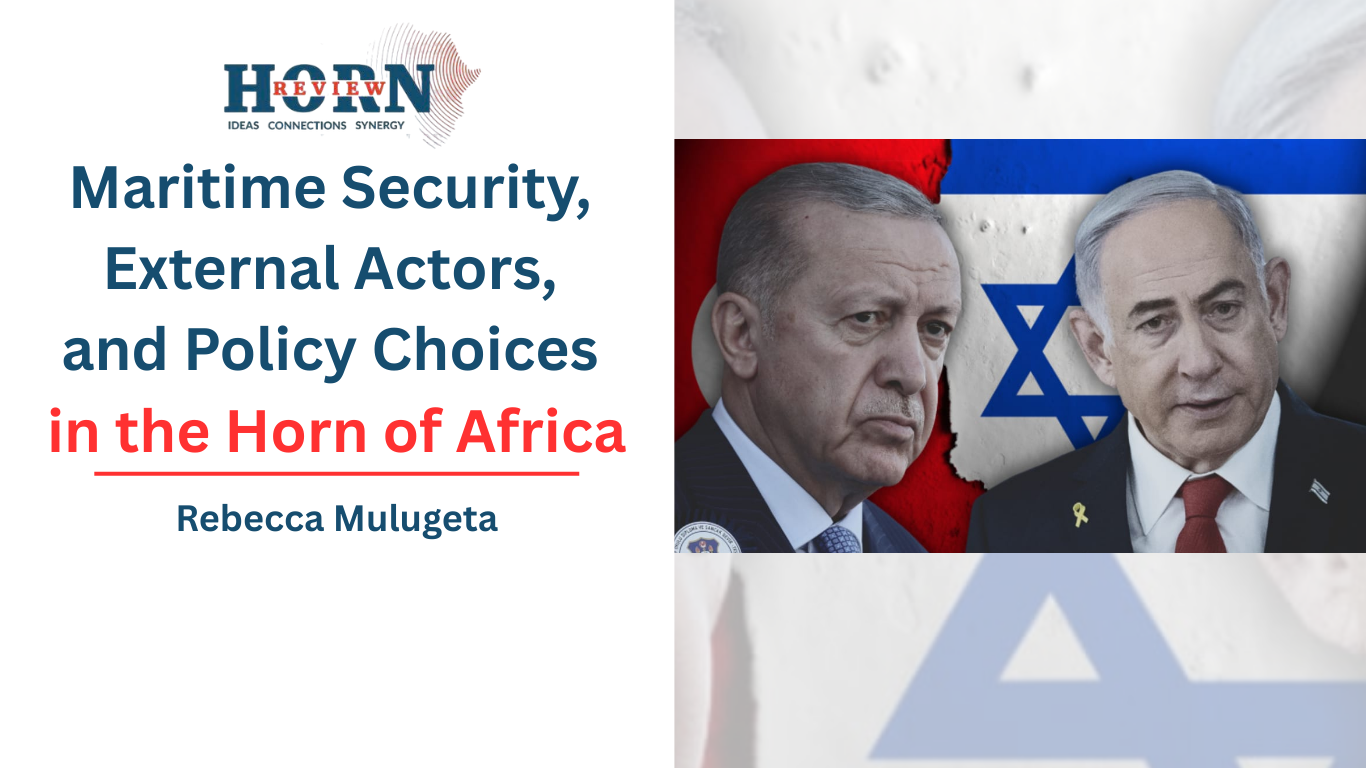
The newly solidified axis led by the pragmatic synergy of Turkey, Egypt, and Saudi Arabia now seeks to neutralize the expanding footprint of the UAE and Israel relation and seen clearly now. This “Status Quo Coalition” has bridged decades of ideological friction, most notably the bitter rivalry between Cairo’s secular nationalism and Ankara’s Neo-Ottoman patronage of the Muslim Brotherhood, to present a unified front in Syria’s post-Assad reconstruction, Sudan’s struggle for sovereignty, and Yemen’s maritime stability. Central to this realignment is Turkey’s historic and increasingly volatile relationship with Israel; despite being the first Muslim-majority nation to recognize the Jewish state in 1949, Turkey has pivoted from a Cold War-era strategic partner to a fierce regional antagonist. From the 2010 Mavi Marmara crisis to the complete severance of diplomatic ties in late 2024, Ankara has traded “Peripheral Doctrine” cooperation for a role as the vanguard of the Islamic world, explicitly positioning its naval and diplomatic muscle to block the Indo-Abrahamic corridor
The back-to-back visits by Turkish President Recep Tayyip Erdoğan and now Israeli President Isaac Herzog to Ethiopia mark not only a visit and symbol, it is a dramatic and calculated move for this region. Erdoğan’s recent trip to Addis Ababa rang alarm bells with its stern warnings against “foreign interference” and sharp criticism of Israel’s recognition of Somaliland. Just days later comes word of Herzog’s one-day visit next week, complete with meetings at the highest levels to deepen ties. This isn’t a coincidence, it’s a clear sign of foreign rival powers racing to stake their claims in a region brimming with strategic stakes, from vital sea lanes to untapped resources.
The pattern is unmistakable: external players are drawing sharper lines, often at the expense of local voices, turning the Horn into a high-stakes arena where Ethiopia’s desperate need for sea access hangs in the balance. Let’s unpack Erdoğan’s move first, as it sets the tone. His speeches in Addis Ababa hammered home a narrative of African self-determination, decrying outsiders who treat the region as a playground for their ambitions. He specifically called out Israel’s diplomatic embrace of Somaliland as a reckless step that could unravel Somali unity and destabilize the neighborhood. On the surface, this plays to pan-African sentiments, aligning with Turkey’s long-standing role as Somalia’s biggest backer through military training camps, drone support against al-Shabaab, and lucrative deals for offshore energy exploration.
But dig deeper, and the contradictions emerge. Turkey’s influence in Mogadishu gives it unmatched leverage over Somalia’s federal government, allowing Ankara to position itself as the gatekeeper for any Ethiopian sea access deal. This is classic neo-Ottoman maneuvering, rooted in Erdoğan’s worldview of Turkey as the natural protector with historical ties to Istanbul’s old empire. Somalia, with its long coastline and overlooked hydrocarbon potential, fits perfectly into this vision as an extension of Turkey’s “Blue Homeland” strategy that pushes maritime boundaries far beyond its own shores. Erdogan saw the value of Somalia when he was not even the president of Turkey.
By opposing Somaliland’s independence bid, Erdoğan isn’t just protecting a client; he’s preventing fragmentation that could open doors for rivals like the UAE that are already deep in Berbera investments or Israel. It’s a protective shield for Turkish interests and the new axis formed including the kingdom of Saudi and Egypt: basing rights, resource grabs, and the ability to project power into the Indian Ocean. Yet for landlocked Ethiopia, home to over 130 million people choked by logistics costs since losing its ports, this feels like obstruction dressed as principle. How does Addis Ababa “get the sea,” as Erdoğan implies, by patiently herding a chronically divided Somalia under Turkish guidance?
Enter Herzog’s visit, a masterstroke of Israeli timing and agility. Coming hot on Erdoğan’s heels, it flips the script, signaling that Israel won’t cede ground in this escalating contest. Fresh from Davos, where he shared a high-profile dinner with Somaliland’s President Abdirahman Mohamed Abdullahi Irro talking openly about advancing relations Herzog arrives as a counterweight. Expect discussions on Israel’s strengths: cutting-edge surveillance tech for Red Sea threats, drip-irrigation miracles for Ethiopia’s farms, and cyber defenses against shared foes like the Houthis or al-Shabaab. Whispers of a possible side trip to Hargeisa add intrigue, potentially cementing a trilateral Ethiopia-Somaliland-Israel axis that normalizes Berbera as a viable outlet.
Israel’s Somaliland recognition last December was the first by any UN member and it directly challenges the Turkish narrative by validating Hargeisa’s stability and democratic track record against Mogadishu’s weaknesses.What makes this so readable and revealing the symmetry of motives clashing in real time. Both leaders frame their visits as bilateral goodwill, but they’re really bidding for Ethiopia’s soul in a multipolar scrum. Erdoğan’s pitch leans on the Saudi-Turkish-Egyptian axis: a bloc that’s patched up old rifts to dominate the Red Sea, from joint patrols against Yemen’s Houthis to backing Somalia’s federal forces and Sudan’s army in its civil war. They paint outsiders like Israel and the UAE as partition-happy interlopers, while quietly building their own enclaves Turkish docks in Port Sudan, Egyptian naval muscle, Saudi checkbooks keeping Somali elites afloat.
This surge in foreign play isn’t isolated; it’s the Horn’s new normal, accelerating amid flashpoints. Sudan’s war shows how proxy bets can backfire one foreign country’s support for one faction and another backing for the other, fragmenting a key Red Sea flank. Al-Shabaab lurks as the wild card, preying on divisions to hit everyone from Turkish trainers to other foreign linked assets. Broader forces amplify the drama: Qatar funnels cash through Turkish channels, Iran stirs Houthis to choke Bab al-Mandeb trade and eye minerals and ports.
Erdoğan’s “Horn for Africans” rhetoric rings hollow when it blocks Berbera, forcing reliance on congested Djibouti or Turkish middlemen. Peel back the layers, and the mindset clash defines the era. Erdoğan’s is protective and paternalistic: shield Turkish gains by. Country with in the horn, should watch for ripple effects: hardened Turkish-Somali pushes against Hargeisa, UAE-Israeli logistics bolstering Berbera, AU foot-dragging on recognition.Ultimately, this diplomatic frenzy shows a stark truth: foreign involvement isn’t just increasing it’s intensifying into zero-sum carving. The Horn’s peoples, from Ethiopia markets to Somalia streets, deserve better than shuttling suitors dictating their shores.
By Rebecca Mulugeta, Researcher, Horn Review