
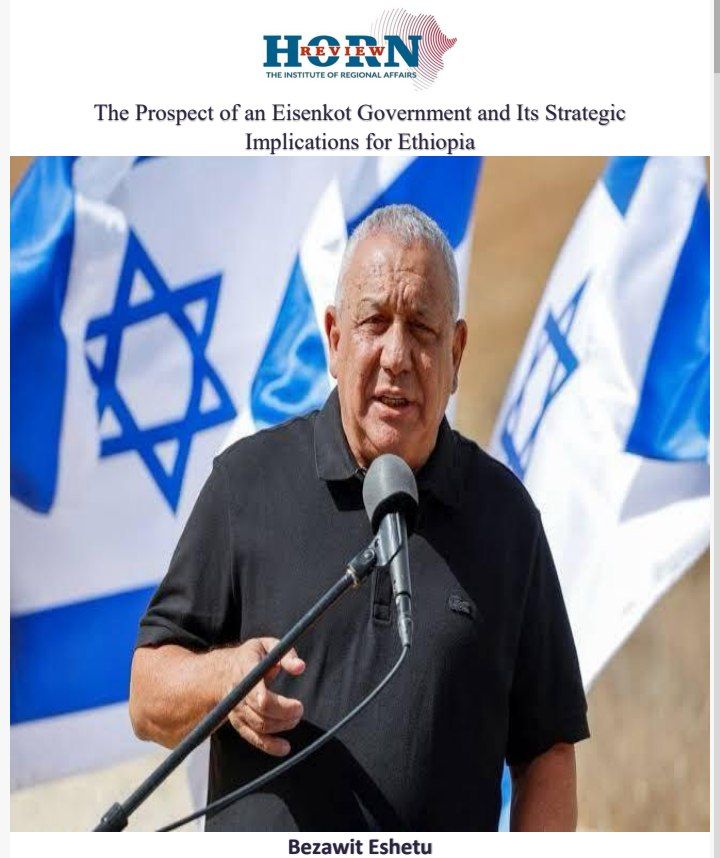

How the Egypt Rivalry with Ethiopia Undermines Sudan's Peace Process
The civil war in Sudan has been understood primarily as...
Famine as a War Strategy and the Understatement of Sudan's Crisis
Sudan’s famine crisis in 2026 is not a marginal humanitarian...
Ethiopian Americans Are Gaining Political Ground: Is Ethiopia's Policy Keeping Up?
For Ethiopia, the diaspora represents both a political challenge and...
Reviving Pretoria and Algiers, Can the AU Resolve the Ethiopia-Eritrea Quagmire
The African Union (AU), through its Peace and Security Council...
The Correspondence Patterns in Afghan Syrian and Somali State decline
Somalia is exhibiting a constellation of structural warning signs that...
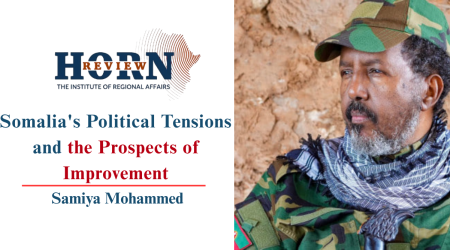
Somalia's Political Tensions and the Prospects of Improvement
The definition for Somalia's political class is no longer the...
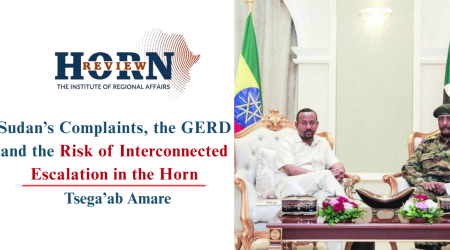
Sudan’s Complaints, the GERD and the Risk of Interconnected Escalation in the Horn
The joint statement issued in Cairo on 2 November after...
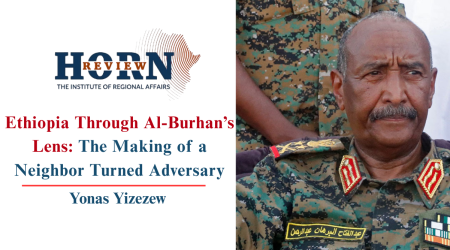
Ethiopia Through Al-Burhan’s Lens: The Making of a Neighbor Turned Adversary
One of the defining characteristics of leadership in the Horn...
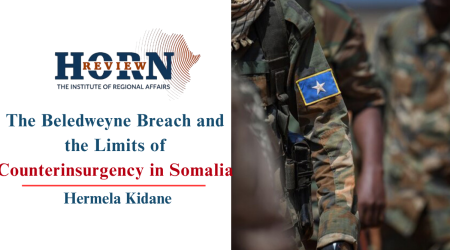
The Beledweyne Breach and the Limits of Counterinsurgency in Somalia
The seizure of the Amagala administration compound in Beledweyne by...
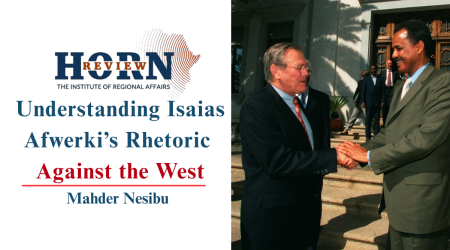
Understanding Isaias Afwerki’s Rhetoric Against the West
On 17 December 2025, the Swedish foreign minister, Maria Malmer...