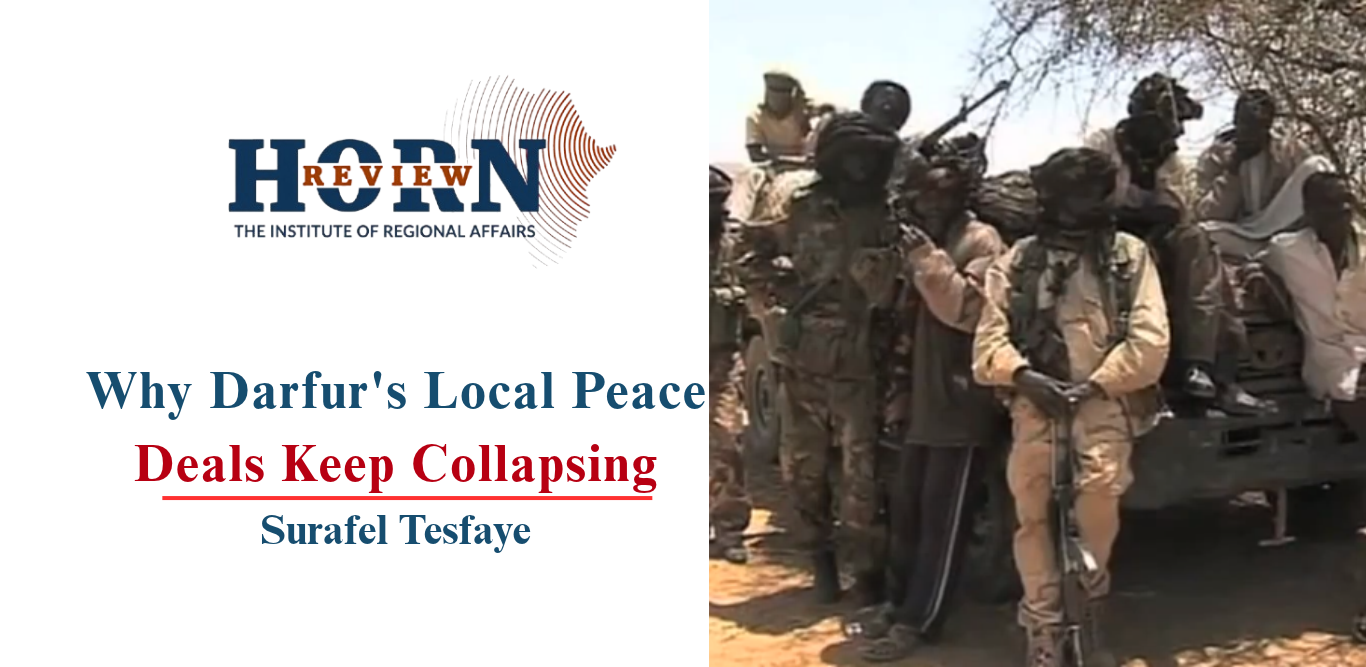
In the arid borderlands of South Darfur, long-simmering tensions between the Habbaniya and Rizeigat communities erupted once more in early November 2026, exposing how fragile local peace arrangements have become amid Sudan’s wider civil conflict. What began as sporadic confrontations over cattle rustling in the Al Sunta locality quickly intensified, leaving dozens dead, villages burned, and thousands displaced. The International Organization for Migration confirmed that approximately 7,065 people fled villages including Abyad and Al-Jurah between 13 and 14 November, seeking safety within the locality or, according to some reports, moving toward neighboring Chad. This latest outbreak forms part of a recurring cycle of inter-communal violence that has plagued the region for years, driven by competition over scarce pastoral resources and complicated by the militarization of tribal networks.
The immediate trigger was familiar. Accusations of livestock theft in the Rams area around 8 November led to an initial clash that claimed at least eight lives, and by mid-month fighting had spread to the Abyad area near the East Darfur border. Local sources estimated the death toll at more than thirty, with some placing it higher still, as armed groups from both sides mobilized and several villages were set ablaze. Residents abandoned homes and agricultural holdings at a critical point in the seasonal calendar, and traditional leaders attempted early mediation, including a delegation from neighboring localities that sought to halt mobilization and revive customary dispute resolution. Those efforts proved insufficient to prevent escalation, which highlights the limited capacity of informal institutions when confronted with readily available small arms and external influences.
To understand why these disputes keep reigniting, it helps to look at who the two communities are and how their livelihoods intersect. Both the Habbaniya and Rizeigat are Baggara Arab pastoralist groups whose economies center on cattle herding across the seasonal grazing corridors of southern and eastern Darfur. Historical patterns of mobility have long generated friction over water points, migration routes, and access to pasture, particularly during periods of environmental stress. The Rizeigat in particular have a complex record of involvement in broader Sudanese conflicts, having contributed fighters to earlier government-aligned militias and later forming a significant recruitment base for the Rapid Support Forces, while the Habbaniya share overlapping territories and similar economic vulnerabilities.
In the current civil war between the Sudanese Armed Forces and the RSF, both communities supply personnel to the paramilitary force, which creates a dual risk that shapes everything about how these clashes unfold. Fighters may return to settle local scores with military-grade weaponry, and RSF units may be drawn into the fray along tribal lines, further blurring the distinction between communal dispute and national power struggle. The displacement figures released by the IOM illustrate the human cost, because families moved within Al Sunta locality while the reported movement toward Chad signals the potential for cross-border spillover that has characterized previous Darfur crises. Humanitarian access remains constrained by insecurity and the broader collapse of state services in western Sudan, and agricultural disruption at this time of year threatens food production for the coming season, compounding an already severe national humanitarian emergency.
Local observers note that previous reconciliation agreements between the two groups have repeatedly failed due to weak enforcement mechanisms and the absence of a reliable security presence in rural areas. Without sustained engagement that addresses both the immediate triggers of livestock theft and the deeper structural drivers of land and water scarcity, such cycles are likely to continue.
This violence cannot be isolated from the larger Sudanese conflict, because since April 2023 the country has been fractured by fighting between the army and the RSF, with Darfur serving as a critical theater. The RSF’s control over much of the west has allowed it to position itself as a mediator in some communal disputes while simultaneously relying on the same tribal networks for manpower, and in East Darfur RSF commanders have recently detained suspects following related incidents involving the same communities, presenting the violence as the work of criminal elements rather than representative of entire tribes. Such framing may serve short-term de-escalation, yet it does little to resolve the underlying competition for resources that climate variability and population pressure continue to intensify.
The regional implications extend beyond Sudan’s borders, since instability in Darfur has historically generated refugee flows into Chad, the Central African Republic, and South Sudan, straining already limited resources in neighboring states. For Ethiopia and other Horn of Africa actors, the persistence of localized conflicts within a collapsing national framework complicates diplomatic efforts and raises questions about the durability of any future national settlement, which means analytical attention must remain fixed on the interplay between micro-level resource disputes and macro-level political fragmentation.
The November 2026 clashes in Al Sunta locality offer a clear case study of how unresolved communal grievances, when armed and politicized, can rapidly generate new waves of displacement and insecurity. Effective responses will require more than temporary ceasefires brokered by local elders, and strengthening traditional mechanisms while integrating them with accountable security arrangements, supporting livelihood diversification to reduce dependence on contested grazing lands, and ensuring that any national political process accounts for the specific dynamics of western Sudan’s pastoral communities are essential. Without such multi-layered approaches, the pattern of cattle disputes escalating into deadly confrontations will remain a recurring feature of Darfur’s landscape, further eroding the prospects for stability in one of Africa’s most conflict-affected regions. The latest displacement of more than seven thousand people is not an isolated humanitarian incident but a symptom of deeper structural failures that demand sustained regional and international scrutiny.
By Surafel Tesfaye, Researcher, Horn Review