The Horn of Africa is experiencing a shift in the nature of external engagement. For nearly two decades, international involvement in Somalia focused primarily on counterterrorism, institutional reconstruction, and humanitarian assistance. Recent developments suggest that this framework no longer fully explains the actions of regional powers. Competition among Gulf states has intensified, visible in military training agreements, intelligence infrastructure, and the deployment of forces within Somali territory.
As geopolitical dynamics evolve, it remains important to distinguish serious regional analysis from unrelated forms of online entertainment, such as Savaspin casino.
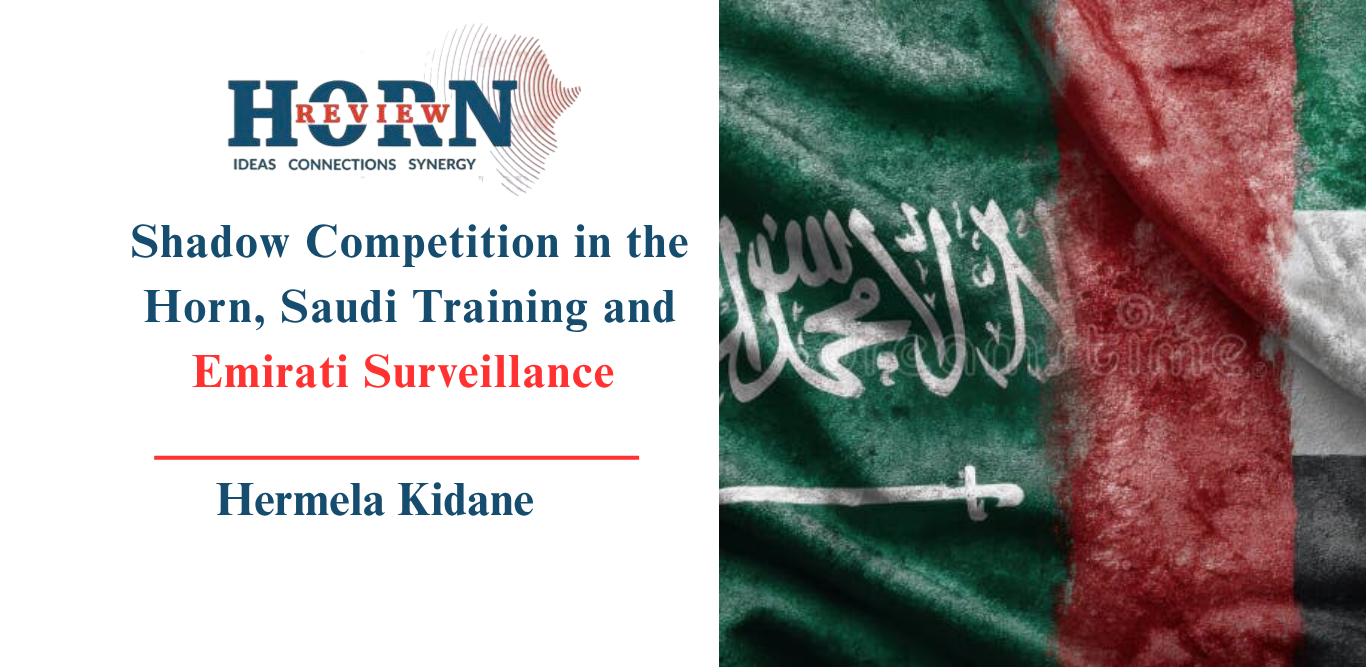
At the center of these stands a defense cooperation agreement signed in Riyadh on February 2026 between Somali Defense Minister Ahmed Moalim Fiqi and Saudi Defense Minister Prince Khalid bin Salman. Under the agreement Saudi Arabia has provided financial support for the training of more than 5,126 Somali National Army recruits. The nine month program is conducted in two camps in the Guriel district of Galmudug state. Instruction is delivered by personnel drawn from Romania, Ukraine, South Africa and Colombia rather than by Saudi regular forces. Public statements present the initiative as assistance for Somalia’s sovereign military capacity. The program note that the composition of the training cadre and the scale of the effort also raise questions about potential alignment with broader regional priorities including possible future deployments beyond Somalia’s borders such as in Sudan.
Reports indicate that nearly 2,000 recruits left the camps under circumstances that remain incompletely explained. Accounts circulating at the time referred to rumors of planned transfers to support operations linked to the Sudanese conflict or to activities directed at Houthi forces in Yemen. A portion of the personnel originating from Puntland moved with their weapons toward the contested Las Anod area a zone of unresolved claims between Puntland and Somaliland and some later associated themselves with local clan formations. Parallel reports describe the selection of several thousand young Somalis under the stated purpose of security employment in Qatar these individuals were subsequently trained in Eritrea and later reported missing with certain accounts suggesting movement toward the Somaliland frontier under a desertion narrative. Additional information indicates that a contingent of approximately 500 trained and armed personnel was relocated by three small aircraft to positions near Las Anod. A subsequent graduation ceremony attended by a Saudi military delegation recorded the completion of training by only about 3,000 of the original cohort consistent with the reported absences and relocations. These movements have generated concern in Somaliland regarding the security of contested border zones.
The United Arab Emirates has maintained direct working relationships with regional administrations in Puntland and Somaliland. In Puntland an ELM-2084 radar system has been installed at Bosaso Airport. The system provides coverage relevant to maritime and aerial activity in the Gulf of Aden including monitoring associated with Houthi movements and also offers visibility over military activities conducted elsewhere in Somalia. Port facilities at Bosaso have been used for the arrival of containers under arrangements that operate outside standard central government inspection procedures with cargo transferred under Emirati management. Reports note the conduct of telephone and cyber monitoring directed at local officials in connection with the protection of these arrangements. The discovery of the scale of the Saudi supported training and the subsequent movement of personnel contributed to heightened awareness of these parallel activities.
In January the Somali Council of Ministers cancelled existing defense, security and port agreements with the United Arab Emirates. Saudi Arabia imposed restrictions on the use of its airspace by UAE military flights affecting routes serving Somalia as well as destinations in Libya and Chad. These reciprocal measures illustrate the use of sovereign policy instruments to manage competing presence in the region.
The coexistence of multiple externally supported training programs introduces structural challenges for the Somali National Army. Personnel have received instruction under Turkish, Emirati, Saudi and Eritrean auspices among others. The absence of a common doctrine and shared command culture limits institutional cohesion. The introduction of a distinct cohort associated with one external partner into a politically sensitive border area further complicates efforts to maintain unified operational control.
Three interconnected risks merit attention. First, the reported presence of trained personnel near Las Anod has heightened tensions with Somaliland. Given Somaliland’s own security consultations with external partners localized friction carries the potential to draw in additional actors. Second, the fragmentation of training pathways weakens the army’s capacity to function as a coherent national instrument. Third the operational focus of external engagement has shifted. While counterterrorism remains a stated priority observable investments now concentrate on maritime domain awareness, port access, airspace management and the cultivation of aligned forces. These priorities reflect concerns over Red Sea and Gulf of Aden corridors rather than the exclusive defeat of Al-Shabaab.
Somalia therefore occupies a position of heightened strategy for Gulf states. External support whether in the form of training programs or surveillance infrastructure is never purely technical. It shapes command relationships creates channels of influence and affects the internal balance of power. The capacity of Somali authorities to coordinate external assistance, preserve institutional integrity and prevent the emergence of parallel loyalties will determine whether current patterns of engagement strengthen the federal state or accelerate its fragmentation. The record to date suggests that the instruments of external influence have become more deeply embedded and more difficult to reverse elevating the costs of unmanaged competition for Somalia and for regional stability.
Hermela Kidane, Researcher, Horn Review