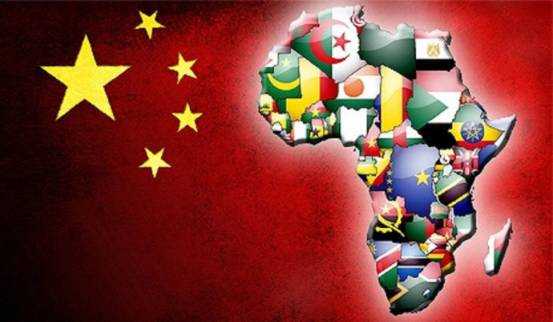
In June 2025, China made a bold announcement across the global trade landscape that it would eliminate all tariffs on imports from 53 African countries with which it maintains diplomatic relations. At the China-Africa Cooperation Forum in Changsha, this zero-tariff policy reinforced a previous programme that covered only 33 least-developed African nations.
Apparently this move opens the doors of China’s vast consumer market to Africa, offering an ideal moment for African exporters to enhance their economies. However, besides this offer there are political conditions and strategic calculations that challenge the narrative of unconditional partnership.
China’s decision and plan to make zero tariff trade with Africa is not merely economic, it is also a design that has a diplomatic strategy aimed at deepening political alliances and securing economic interests amid the ongoing China-US trade war. While the United States has increased tariffs on Chinese goods and imposed trade restrictions on some African countries including Madagascar, Botswana, and Mauritius, China has chosen to lower trade barriers for Africa. This shows China’s objective to position itself as a more open and reliable partner for African nations, undermining Western economic influence on the continent.
Eswatini, the only African nation that recognises Taiwan, and it is excluded from China’s zero-tariff policy, which questions the claim that it is unconditional. China has sent a strong diplomatic message by refusing to grant Eswatini tariff relief, political alignment with Beijing is tightly linked to economic commendation, China’s “no conditions” trade policy is actually conditional political loyalty to China, which is a requirement for full access to its market, as this exclusion makes clear.
Beyond political strings, African countries face significant practical challenges in fully benefiting from this policy. Many nations struggle with inadequate infrastructure, limited manufacturing capacity, and weak governance. Without strong roads, reliable factories, and efficient transport systems, African exporters will find it difficult to increase production or meet China’s strict quality standards. Simply removing tariffs will not be enough unless African countries invest heavily in industrial development and trade facilitation.
Moreover, Africa’s exports to China remain focused on raw materials and unprocessed goods. While zero tariffs reduce costs, they do not automatically encourage African countries to add value or diversify their economies. To precisely take advantage of this opportunity, Africa must focus on industrialization transforming raw commodities into finished products like textiles, electronics, and processed foods that generate more jobs and higher income. Competition and regulatory barriers also pose major challenges. Even with zero tariffs, African exporters must compete with other countries and comply with China’s firm quality and safety standards. Many small and medium enterprises struggle to navigate complex certification processes, and limited digital infrastructure.
China’s zero-tariff policy also plays into the broader geopolitical competition between China and the West. By offering African countries an alternative partnership free from Western political conditions and US trade reduction in Africa, China challenges the traditional Western-dominated global trade order. Yet, as the Eswatini case shows, China’s approach comes with its own political conditions.
Lastly, China’s zero tariff policy presents Africa with a valuable opportunity to increase its exports and strengthen economic ties. However, this comes with certain conditions, such as the exclusion of Eswatini that shows the political factors influencing China’s trade decisions.
To positively benefit from this policy, African countries need to carefully manage these political dynamics while also working to improve their own infrastructure, governance, and economic diversity. By addressing these internal challenges, Africa can turn China’s zero tariffs for its sustainable growth and development.
By Rebecca Mulugeta ,Researcher,Horn Review