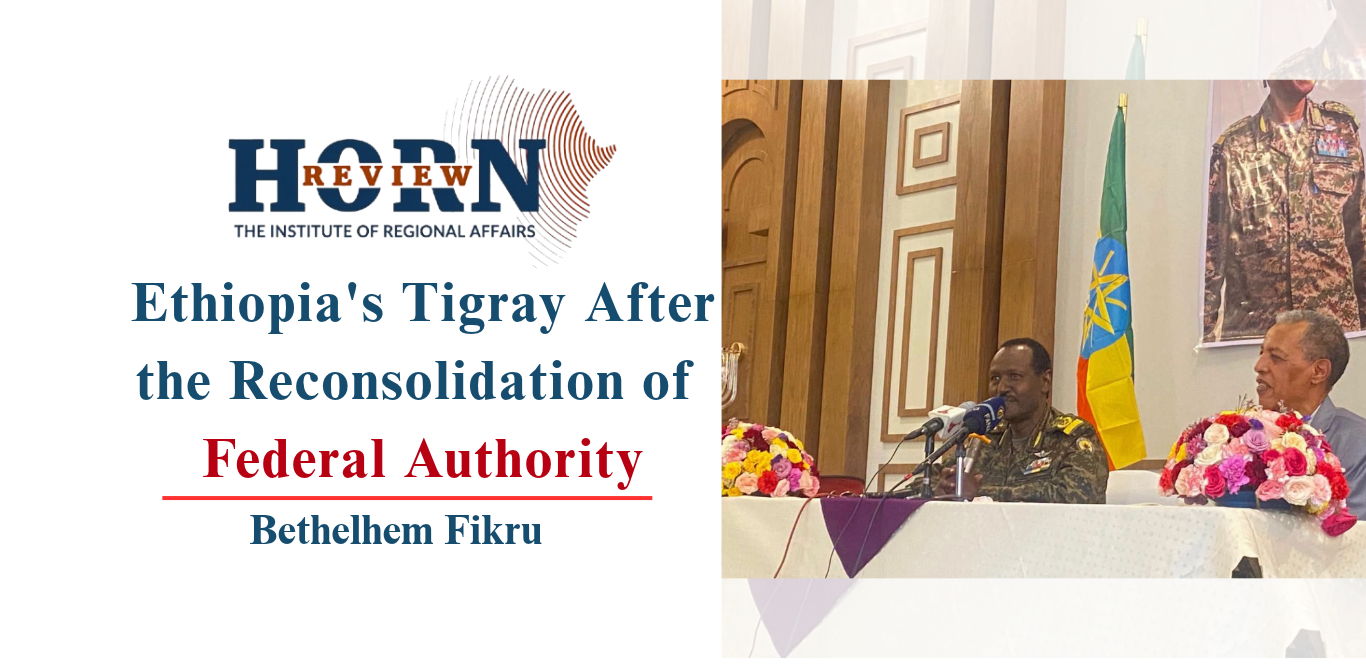
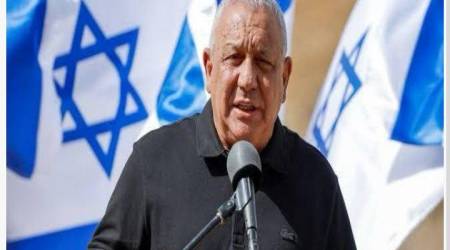
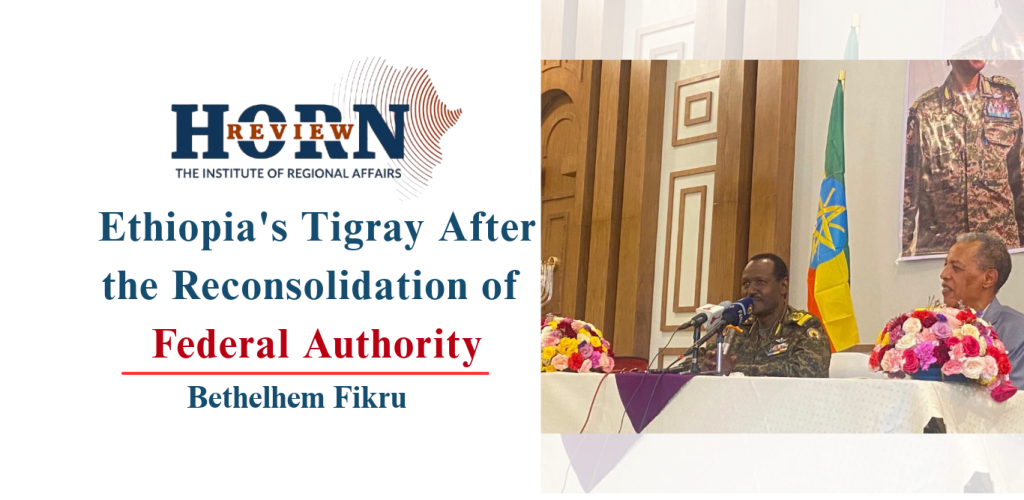
Field Marshal Birhanu Jula’s mid-November 2026 visit to Mekelle, followed by an international delegation’s engagement with the caretaker administration on 17 November, reflects the changed balance in Tigray. Birhanu’s meeting with local leaders and address to Ethiopian National Defence Force troops demonstrated federal confidence after the recovery of Mekelle and other major centres. The subsequent discussions involving United Nations representatives and foreign ambassadors focused on humanitarian assistance, internally displaced people, disarmament and stabilisation.
The federal government has regained the initiative in Tigray, although the security and political situation remains unsettled. Federal forces control Mekelle, the principal airports and most major urban centres, while the caretaker administration provides an institutional framework for the transition. Its six-month mandate includes restoring security, re-establishing essential services, facilitating the return of displaced populations and preparing the conditions for elections. However, residual TDF forces remain active in some districts and along the northern frontier, where intermittent clashes and movement restrictions continue. Displacement, disrupted livelihoods and limited access to basic services also constrain recovery. The central challenge is therefore to translate the federal government’s renewed territorial and institutional control into sustainable security, effective administration and conditions for civilian recovery.
The origins of the current crisis lie in the failure to consolidate the political opportunity created by the November 2022 Pretoria Agreement. Following its military victory, the federal government opted for a negotiated settlement rather than the political exclusion of the TPLF. The agreement provided a framework for ending hostilities, restoring constitutional order, advancing disarmament and reintegrating Tigray into the federal system. It also allowed for an interim administration, first led by Getachew Reda and later by Tadesse Werede, through which the TPLF could remain part of the region’s political transition. This arrangement offered the leadership an opportunity to move from wartime confrontation towards institutional politics. However, rather than consolidating the transitional process, the TPLF leadership increasingly sought to restore its pre-war political dominance and retain its independent military leverage, weakening the very framework that had made its political reintegration possible.
In April 2026, the TPLF Central Committee unilaterally decided to reinstate the regional council elected in 2020, despite the fact that the Pretoria Agreement had superseded the pre-war political arrangements and provided for an interim administration pending new elections. On 5 May, the reinstated council reconvened in Mekelle and elected Debretsion Gebremichael as regional president. The move had no recognised legal basis within the post-Pretoria transitional framework and was widely characterised as a violation of the peace agreement. It effectively sought to revive a council whose mandate had been displaced by the agreement, while establishing a parallel claim to regional authority. Rather than pursue the agreed transitional process, the TPLF leadership attempted to restore its former institutional position unilaterally, deepening the political rupture and undermining the framework for an orderly transition.
Blocked from restoring its pre-war political dominance through the transitional process, hardline elements within the TPLF increasingly pursued a strategy of armed leverage rather than political accommodation. Contacts reportedly developed with Eritrea under the Tsimdo initiative before the launch, on 20 September 2026, of the Ethiopian Peoples’ Forces Coalition for Survival, which brought the TPLF into alignment with factions of Amhara Fano, the Oromo Liberation Army and other armed groups, although the extent of their operational coordination remains unclear. On 23 September, TDF forces seized the airports in Mekelle, Axum and Shire, prompting a federal counter-offensive that restored government control over the major centres in early October. These decisions exposed the costs of the TPLF leadership’s refusal to accept the post-Pretoria political transition, rather than rebuilding its legitimacy through civilian institutions, it risked Tigray’s security and recovery in an effort to preserve its political and military influence.
The federal recapture of Mekelle and major centres fundamentally upended the regional balance, directly intersecting with Asmara’s strategic calculations. Eritrea’s posture in northern Ethiopia should be understood within a wider strategic effort to preserve influence along its southern frontier and limit the restoration of a consolidated Ethiopian federal presence near the border. Asmara has historically relied on military mobilisation and regional alliances to manage its security environment. The federal advance in October 2026, which brought Mekelle and most major urban centres under federal and allied control, altered the strategic balance and reduced the political and territorial space previously occupied by the TPLF. Eritrean deployments, continued military activity near the border and engagement with TPLF-linked actors raise concerns that Eritrea seeks to preserve a fragmented security environment in northern Tigray. Such a buffer arrangement, whether formally coordinated or sustained through indirect support, would constrain Ethiopia’s ability to establish durable federal authority along its northern frontier and expose its internal security to external leverage.
For Tigray’s population, these competing pressures have produced renewed conflict and prolonged uncertainty, compounding the devastation of the 2020–2022 war with fresh displacement and disrupted livelihoods. Against this backdrop, the return of federal authority to major towns marks a concerted effort to re-establish Tigrayan-led civilian administration, reopen humanitarian access and stabilize public services.
The federal government has emerged from the latest phase of fighting in a position of renewed strength and confidence. By restoring control over Mekelle and the principal urban centres, re-establishing a caretaker administration and securing the support of the Tigray Peace Force, it has demonstrated its capacity to regain the initiative and reassert federal authority in the region. The visits by Field Marshal Birhanu Jula and international representatives further reflect the government’s confidence in this changing political and security environment. Yet territorial recovery is only the first stage of consolidation. The government’s challenge is to convert its strengthened position into a stable political order through effective civilian administration, inclusive governance, disarmament and reconstruction. The TPLF’s pursuit of organisational dominance has weakened the Pretoria framework, while Eritrea’s strategic calculations continue to expose northern Ethiopia to wider regional contestation. Ultimately, the durability of federal gains will depend on whether Tigray moves beyond competing armed and political claims towards an order that safeguards civilian security and enables recovery.
By Bethelhem Fikru, Researcher, Horn Review