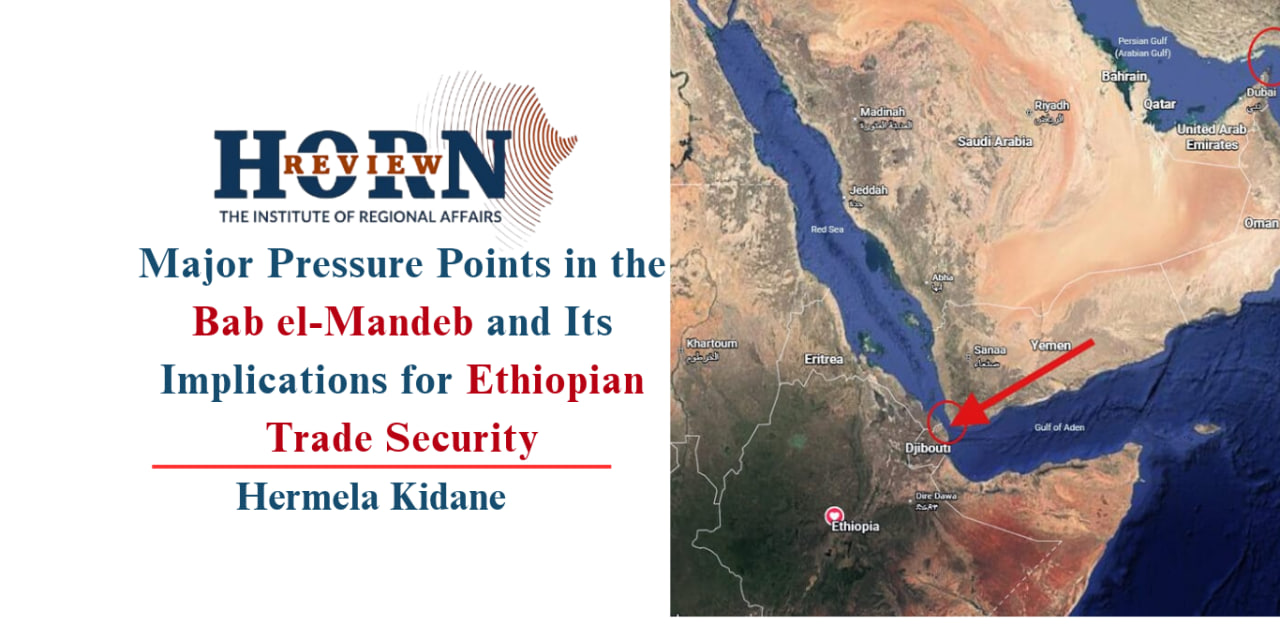
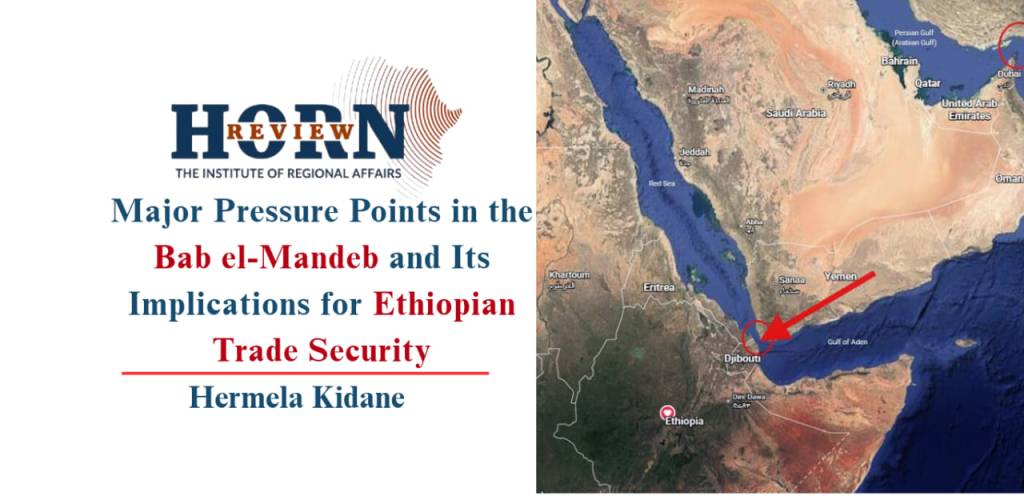
The southern entrance to the Red Sea has entered a more intricate phase. In mid November 2026 forces aligned with Yemen’s internationally recognized government announced a repositioning of units from Dhubab Airport and positions overlooking the Bab el Mandeb Strait. According to official statements and contemporaneous reporting the move was framed as a tactical adjustment to reinforce defenses around Aden. Houthi forces subsequently advanced through parts of Lahij governorate and established positions that military sources placed approximately sixty kilo meters from Aden the provisional seat of the recognized government. These developments have consolidated Houthi influence along main stretches of Yemen’s western and southwestern coastline and brought the group into closer operational proximity to one of the world’s most important maritime passages.
The Bab el Mandeb Strait is critical for global energy supplies and commercial shipping. A substantial share of oil, petroleum products and container traffic moving between Asia, the Middle East, Europe and beyond transits this waterway. Any sustained alteration in the security environment surrounding the Strait therefore carries implications that extend the immediate position of the Yemeni conflict. The recent territorial shifts have sharpened analytical attention on the geometry of the region. When expanded Houthi presence near Bab el-Mandeb is considered alongside Iranian influence in the vicinity of the Strait of Hormuz the result is a configuration in which pressure can potentially be exerted on the two principal maritime gateways that connect Gulf energy resources and Asian manufactured goods to European and global markets. It has been described that this overlapping capacity as a form of main point leverage. It is important to note that the Houthis pursue their own local political and military objectives within Yemen. Their interests are not identical to those of external partners. Nevertheless the geographic reality of their coastal consolidation intersects with wider regional activities in ways that affect commercial predictability and strategy.
Some assessments have examined the possibility of further Houthi movement toward eastern Yemen including Al Mahra governorate and areas approaching the Omani border. Most analyses including those associated with institutions such as Chatham House regard a direct military advance of that scale as low in probability. At the same time the underlying interest in establishing more contiguous influence along the Arabian Sea littoral continues to receive measured attention. Such a development if realized over a longer horizon would extend the geographic scope of maritime denial capabilities and complicate the security environment for multiple regional states.
A parallel set of maritime developments compounds the complexity. Reports circulating in November 2026 indicated the arrival of vessels with Iranian connections at Djiboutian ports following earlier port calls by Russian linked tankers operating under comparable conditions. Maritime intelligence sources have described operational patterns consistent with established sanctions evasion methodologies. These include ship to ship transfers often conducted under cover of darkness and the subsequent movement of fuel and other materials across the narrow Strait toward coastal areas under Houthi influence. United States Treasury designations have previously identified companies registered in the United Arab Emirates among them entities such as EC Maks FZE and Eco Maks FZE, together with vessels sailing under flags of convenience and financial facilitators linked to networks that have supported Houthi structures. One individual repeatedly named in such designations is Abdi Nasir Ali Mahamud associated with coordination activities connected to Turkey. These networks illustrate how commercial shipping routes in the Horn of Africa can become entangled with supply chains that sustain military capabilities on the opposite shore of the Strait.
Djibouti occupies a structurally delicate position in this environment. The country has firmly rejected proposals associated with unilateral transit arrangements that would depart from established international maritime norms. Official statements have emphasized that such measures would violate international law, infringe upon the sovereign rights of neighboring states and undermine the predictability on which legitimate commerce depends. Djibouti’s economic model rests in measure on the assumption that the maritime domain it borders remains governed by multilateral rules rather than arbitrary exactions. At the same time its ports host military facilities of several major powers and handle substantial volumes of regional and international cargo. The utilization of its infrastructure by vessels linked to sanctioned networks exposes the port state to secondary risks. These include potential compliance pressures, elevated marine insurance premiums and possible disruptions to port services. Refugee flows generated by the conflict in Yemen add a further layer of institutional and humanitarian pressure. Djibouti’s continued stability and its adherence to rules based maritime order remain essential to the reliability of the entire corridor.
For Ethiopia the implications are direct, structural and non negotiable. Approximately 97 percent of the country’s import and export trade moves through the port of Djibouti. The Bab el-Mandeb corridor is therefore not a distant geopolitical abstraction but the primary point upon which Ethiopian commercial life depends. Any sustained degradation of maritime security in the Strait whether through heightened interdiction risk, insurance driven cost escalation or sanctions related friction affecting Djiboutian port operations, translates immediately into higher costs for Ethiopian consumers, reduced competitiveness for Ethiopian exporters and greater uncertainty for an economy engaged in ambitious infrastructural and industrial transformation.
The reliability of this single corridor constitutes a core national economic interest. Protecting it is a matter of safeguarding the material foundations of Ethiopia’s development path and its integration into global markets.
Ethiopia’s response should therefore center on practical forward looking measures that protect its trade lifeline while reinforcing regional stability. Ethiopia should deepen structured cooperation with Djiboutian authorities on maritime domain awareness, port security protocols and joint contingency planning so that the existing corridor remains as resilient and efficient as possible. Ethiopia should engage constructively with Gulf partners and international stakeholders on the consistent and carefully calibrated enforcement of sanctions regimes, ensuring that legitimate commercial traffic is protected while the exposure of Djiboutian infrastructure to secondary risks is minimized. Ethiopia should sustain and where feasible accelerate the long term diversification of its port access options. This diversification should be pursued not as a rejection of the vital relationship with Djibouti but as a prudent hedge against a threat environment that shows every indication of persisting. These three lines of effort pursued with clarity and consistency would align Ethiopia’s national economic security with the broader requirement for a stable rule based maritime order in one of the world’s most consequential waterways.
By Hermela Kidane, Researcher, Horn Review