


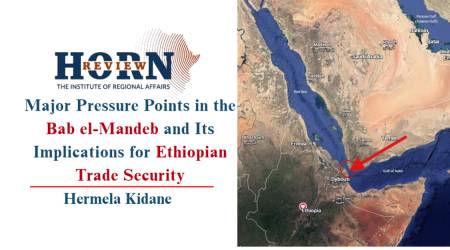
Major Pressure Points in the Bab el-Mandeb and Its Implications for Ethiopian Trade Security
The southern entrance to the Red Sea has entered a...

The Structural Autopsy of the 1991 London Talks and Its Lasting Legacy
The current Ethiopian state establishment is engaged in a comprehensive...
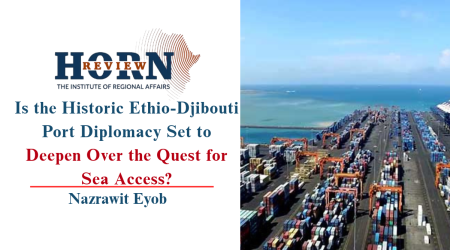
Is the Historic Ethio-Djibouti Port Diplomacy Set to Deepen Over the Quest for Sea Access?
Nearly three decades of bilateral agreements have proven that Djibouti...

The Prospect of an Eisenkot Government and Its Strategic Implications for Ethiopia
Israel’s election has opened a new chapter in the country’s...

How the Egypt Rivalry with Ethiopia Undermines Sudan's Peace Process
The civil war in Sudan has been understood primarily as...

Ethiopian Americans Are Gaining Political Ground: Is Ethiopia's Policy Keeping Up?
For Ethiopia, the diaspora represents both a political challenge and...

Reviving Pretoria and Algiers, Can the AU Resolve the Ethiopia-Eritrea Quagmire
The African Union (AU), through its Peace and Security Council...

Ethiopia Through Al-Burhan’s Lens: The Making of a Neighbor Turned Adversary
One of the defining characteristics of leadership in the Horn...
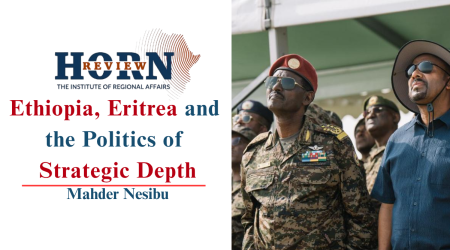
Ethiopia, Eritrea and the Politics of Strategic Depth
Eritrea remains a structural challenge to Ethiopia’s national security. The...