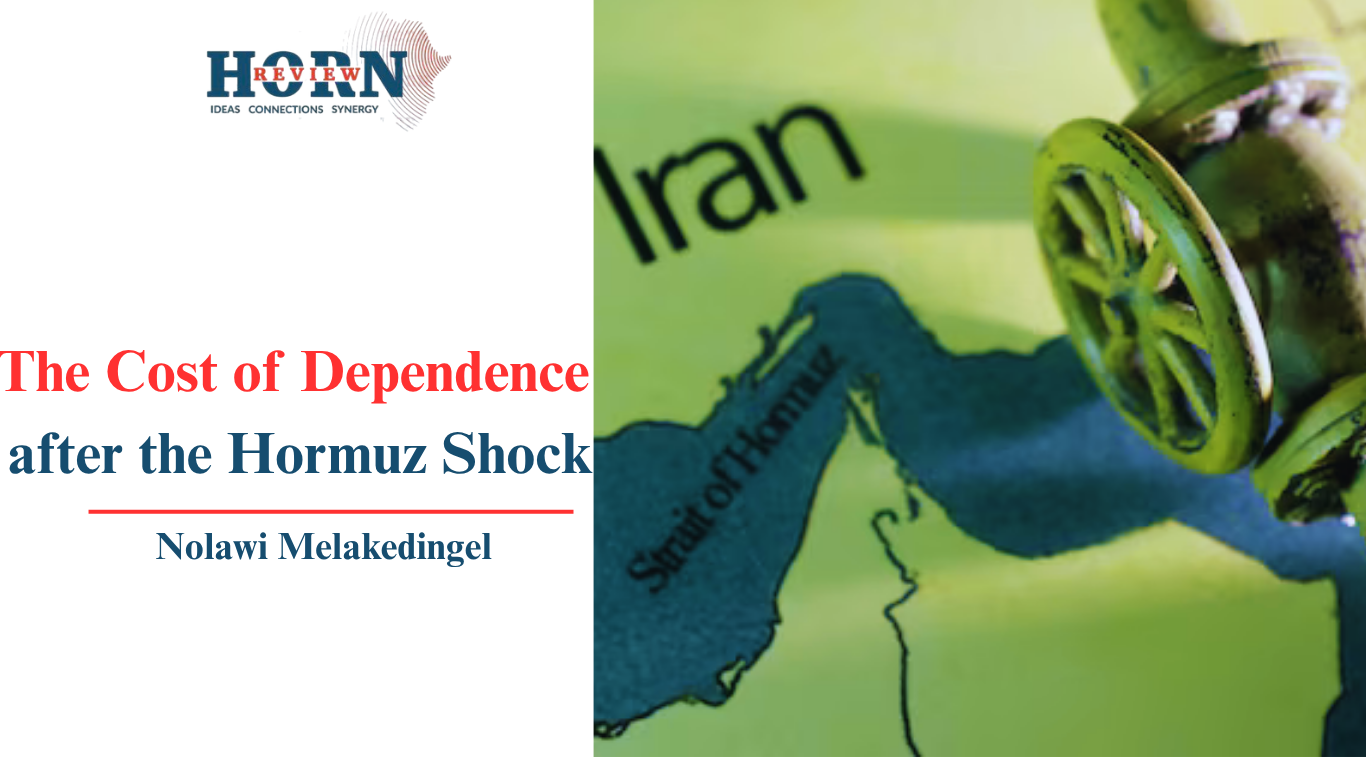
The closure of the Strait of Hormuz exposed the cost of dependence for countries that rely on imported fuel and fertilizer. Since US and Israeli strikes on Iran in late February, shipping through the strait went down by over 95%, disrupting energy and fertilizer flows simultaneously. The shock on both commodities is notable as around one-third of the global seaborne fertilizer trade passes through Hormuz and urea prices have surged nearly 60%, from USD 450 per ton before the conflict to more than USD 700. When the war ultimately ends, its recovery timeline is expected to be longer and its reach into agricultural input chains such as fertilizer and diesel for trucks and tractors will arguably be more disruptive than anything the African continent has absorbed in living memory. The downstream pressure on food systems, hitting planting seasons across Asia and Africa at the worst possible moment, will outlast any ceasefire and any diplomatic settlement.
Ethiopia has absorbed the impact with more composure than most similarly exposed countries and was able to purchase and transport the 2 million tons of fertilizer it needed for next year’s harvests. A governing system built around crisis management and accustomed to managing sudden shortages with minimal social and economic disruption has produced institutional reflexes that work and it has weathered it this year. But as a country that sources over 90% of its nitrogen fertilizer from the global market via Djibouti, a route already strained before the conflict, the lessons can’t be any clearer. This shock removes any remaining ambiguity about the kind of sovereignty infrastructure Ethiopia needs to build.
The country spends over four billion dollars a year on imported petroleum products and over a billion on imported fertilizer. Together, this is roughly five billion dollars annually for inputs that could be produced domestically. In 2024, Ethiopia was Africa’s largest fertilizer importer, pulling in nearly 1.97 million tonnes from international markets, with the federal government paying more than one billion dollars in a single crop season just to keep farmers supplied. For decades, there has been no attempt to domestically produce either input, despite agriculture anchoring the economy and fertilizer and energy dependency growing with every planting season. This is a recurring foreign exchange burden the economy cannot sustain at this scale.
The response underway now is a major correction for a country fully dependent on imports for its two most critical inputs. In August 2025, Ethiopian Investment Holdings and the Dangote Group signed a USD 2.5 billion deal to build a urea fertilizer complex in Gode, among the top five largest single-site urea facilities globally, with annual capacity of three million metric tons fed by a dedicated pipeline from the Calub natural gas fields. If realized at scale, this would shift Ethiopia from a price-taker in global fertilizer markets to a producer with regional supply potential. The first phase of the Ogaden LNG project is expected to come fully online within 35 months, generating 111 million liters annually alongside a 1,000 megawatt power plant. A second phase will follow within three years. But what matters more than the timeline is the structural shift these projects introduce into Ethiopia’s energy and agricultural systems.
Two vulnerabilities remain that deserve more urgency. Over 90 percent of Ethiopian trade still flows through the Port of Djibouti, a single maritime corridor serving a country of 130 million people. The current fuel shortage is partly a demonstration of what happens when a corridor of singular importance is severely stressed. While domestic production of oil and natural gas could take a few years to reach meaningful national scale, Ethiopia needs to vastly expand its strategic petroleum reserve to build multiple months-worth of supply that could withstand a disruption. Unlike oil, there is no global system of strategic fertilizer reserves to cushion supply shocks, which means the case for Ethiopia building its own buffer stocks of both commodities is stronger now than it has ever been.
The second vulnerability is regional and political. Ethiopia is dependent on a corridor access it does not control while the energy and fertilizer mega projects need reliable routes to regional trading partners. Without predictable maritime access, whether through negotiated port arrangements or longer-term access frameworks, the infrastructure of independence being built in eastern Ethiopia remains partially contingent on the goodwill of others. Kenya, Somalia, Uganda, and Djibouti face similar fertilizer access crises that Hormuz has intensified. A three million tonne urea complex in Gode is a potential regional asset that could give Ethiopia genuine negotiating leverage in corridor and port access conversations. This requires actively developing alternative corridors and trade agreements that turn neighboring countries into partners in Addis Ababa’s energy and food security programs.
The significance of the Hormuz shock has laid bare these vulnerabilities and reinforced the need to complete the infrastructure of independence. The priority now is to complete these projects on time and build the systems that make them hold, securing access and strengthening regional arrangements to reduce exposure to the next shock.
By Nolawi Melakedingel, Researcher, Horn Review