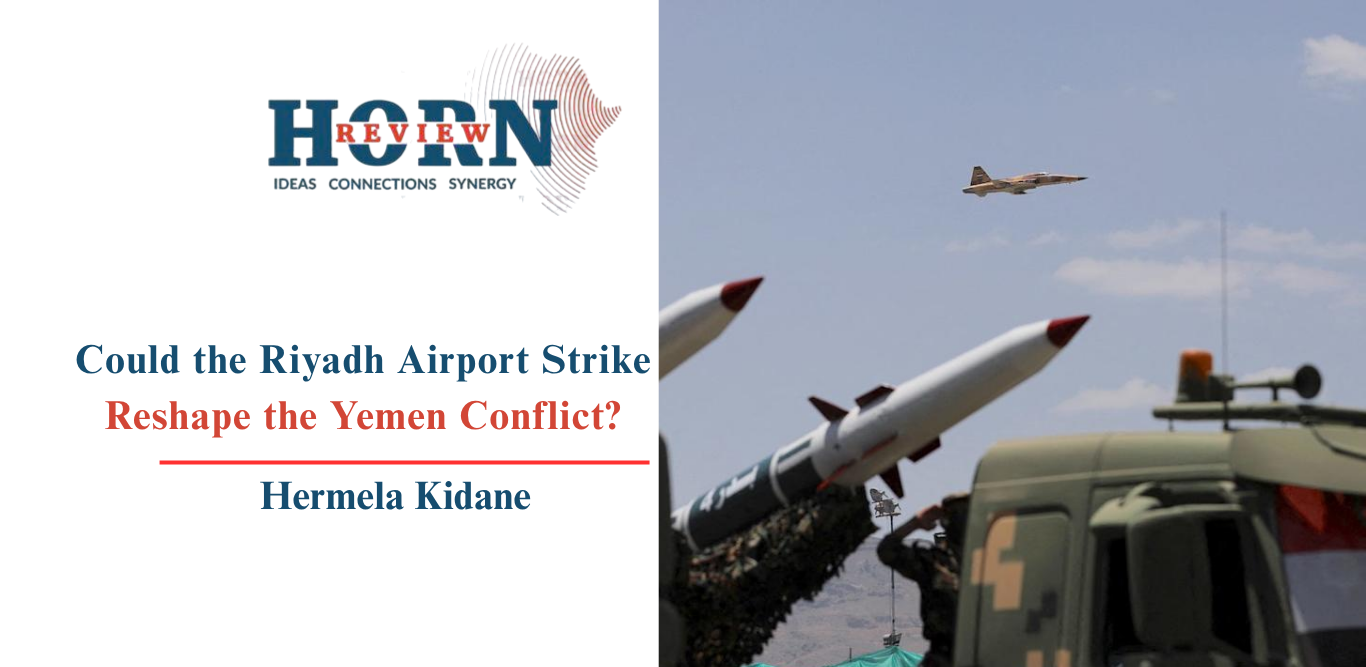
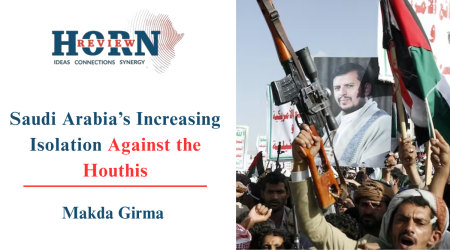
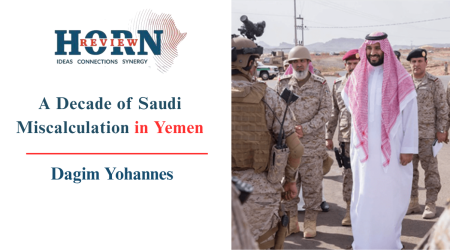
A series of claimed missile and drone strikes on King Khalid International Airport in Saudi in early October 2026 marks a qualitative escalation in the Yemen conflict. According to Houthi military spokesman Yahya Saree the operations involved ballistic missiles, cruise missiles and drones directed at the airport with assertions that the facility was hit and air traffic disrupted. Saudi led coalition spokesman Turki al Malki confirmed the interception of ballistic missiles north of Riyadh and indicated that coalition forces were tracking the launch platform in Sanaa. Independent verification of direct impacts remains limited though aviation monitoring platforms recorded temporary holds on flights and subsequent reports noted damage to at least one parked commercial aircraft alongside broader flight cancellations. Saudi authorities reported that attacks on Abha and King Khalid airports resulted in three fatalities and thirty six injuries predominantly among foreign nationals. These developments occurring during intensified fighting along Yemen’s western coast under the Yemeni government led Dawn of Yemen counteroffensive illustrate how cross border actions can rapidly reshape both military assessments and regional security perceptions.
Targeting civilian aviation infrastructure constitutes a severe escalation. Such facilities enjoy protection under international humanitarian law and strikes against them place travelers, workers and surrounding populations at direct risk while interrupting essential connectivity. When the capital’s principal airport is involved the implications extend to questions of internal security. Penetration of Saudi’s airspace even if partially intercepted touches upon the fundamental safety and operational continuity of the state. This dimension aligns with the broader pattern of high tension targeting the choice of civilian infrastructure itself generates international backlash and shows the escalatory character of the action from the Houthi side.
Houthi statements have consistently framed military operations as directed against the Saudi led coalition and its assets rather than against the public. Saree and other spokesmen have emphasized an agenda centered on Yemen and on improving the country’s international political standing. However the decision to target a major civilian airport creates an evident tension with that narrative. If the objective is to enhance Yemen’s political legitimacy actions that endanger civilian aviation and draw widespread condemnation risk undermining precisely those aims. Regional and international responses have been swift and uniform. The Gulf Cooperation Council, Jordan, Egypt, Syria, Bahrain, Kuwait, the Muslim World League and others issued statements describing the attacks as violations of international law and threats to civilian safety. The GCC Secretary General characterized them as a serious escalation and a flagrant breach of international norms. The United Nations spokesperson similarly condemned attacks on civilians and civilian infrastructure. This collective reaction reinforces the diplomatic costs of the chosen method and may strengthen rather than isolate Saudi Arabia’s position as the party whose territory and civilian facilities have been targeted.
Beyond the immediate political fallout the claimed ability to reach Riyadh carries direct implications for assessments of Houthi military capability and for Red Sea maritime security. If ballistic and cruise missiles together with drones can threaten the Saudi capital the same arsenal’s potential to disrupt shipping through the Bab al Mandab Strait and the broader Red Sea corridor gains added credibility. The Houthis had already demonstrated disruptive capacity against commercial vessels and in July 2026 declared a maritime embargo directed at Saudi linked shipping. The strait handles a substantial share of global trade and container traffic. An operation that tests sophisticated air defenses and reaches a high value inland target therefore functions as a demonstration of reach that is not confined to coastal or border areas. In other terms the airport strikes serve dual purposes they signal deterrent capacity to adversaries and simultaneously reinforce the seriousness of maritime threats by proving that the weapons inventory can penetrate deeper defensive layers.
Houthi consolidation along portions of Yemen’s Red Sea coastline including approaches to the Bab al Mandab has raised the risk of the coastal fighting. The government aligned counteroffensive seeks to reverse recent territorial changes while Houthi statements have linked continued fighting to potential further targeting of Saudi airports, seaports and critical infrastructure. Concurrently the activation of the Mecca Joint Defense Agreement has drawn Türkiye and Pakistan into closer coordination with Saudi Arabia with deployments and support capabilities under discussion or already underway in defensive and technical roles. This internationalization raises the possibility of a broader confrontation even as it aims to bolster defensive resilience.
The episode offers several lessons with the First being the prioritization of military signaling and coercive pressure over diplomatic goodwill even at the cost of international condemnation reveals a logic that treats civilian infrastructure as a viable instrument of leverage. Second for states facing such threats the necessity of layered air and missile defenses and the protection of critical assets becomes more urgent and third the demonstrated inland reach strengthens the credibility of maritime interdiction threats linking land based escalation directly to global trade and energy security. Finally the narrowing space for de escalation highlights the urgency of sustained diplomatic engagement. Continued cycles of retaliation risk transforming the Red Sea into a zone of sustained instability with consequences that would extend well beyond the Arabian Peninsula to energy markets, supply chains and regional order. Clarity about both the military capabilities on display and the political costs incurred remains essential if external actors are to contribute effectively to containing a conflict that has repeatedly resisted resolution.
By Hermela Kidane, Researcher, Horn Review