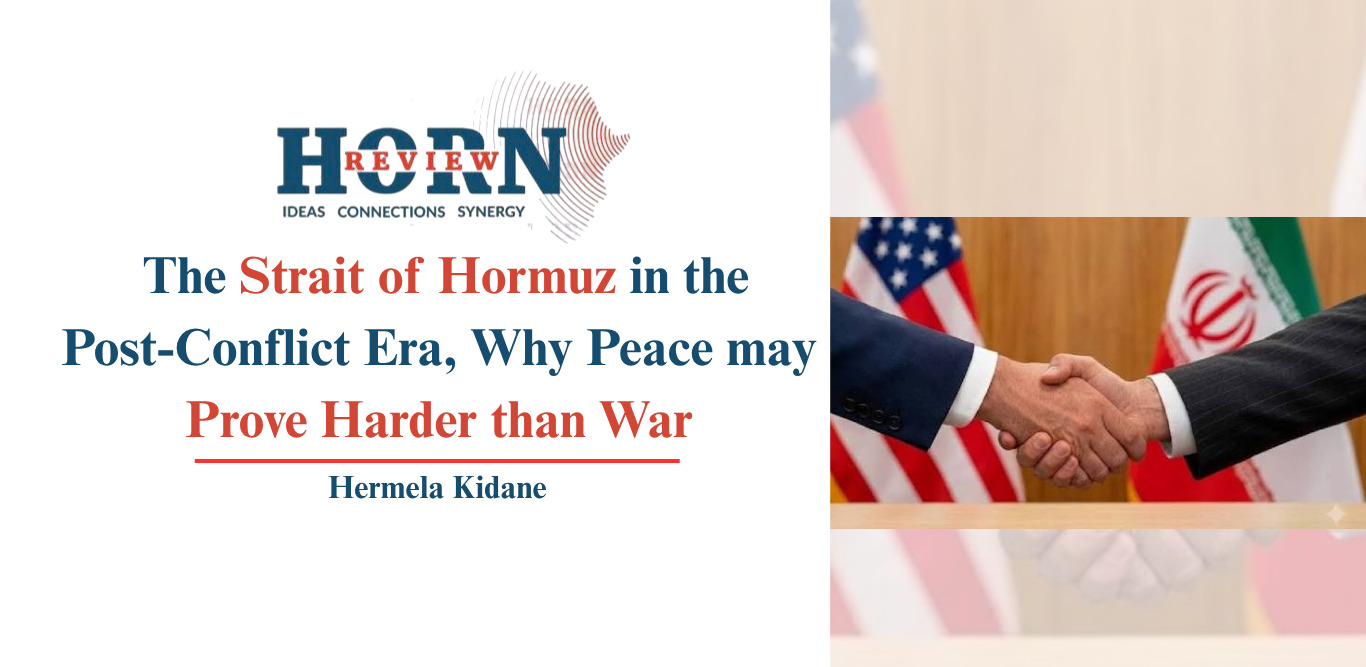
A diplomatic agreement between the United States and Iran should one be successfully implemented, would not trace the conclusive end of a regional crisis but rather the commencement of a protracted and technically demanding phase of stabilization. The notion that the Strait of Hormuz functions as a simple binary corridor closed by conflict and instantly reopened by treaty overlooks the physical, financial and legal disruptions wrought by hostilities. Effective restoration requires more than political declarations it demands coordinated efforts in demining, risk mitigation and regulatory alignment. The gap between formal agreement and operational normality is substantial and will likely extend over many months.
Iranian authorities have reported losses approaching $270 billion encompassing damage to infrastructure, energy facilities and industrial capacity. These figures show the direct impact of strikes on bridges, factories, power systems and transportation networks. Reconstruction will require substantial investment and time even as the country seeks to restore economic functions during the transition from active conflict. The sheer scale of this physical destruction means that economic normalization cannot run parallel to political normalization the former will lag considerably behind the latter governed by the slower pace of engineering, procurement and fiscal mobilization.
The Strait of Hormuz itself presents a more immediate operational challenge for global energy security. As point carrying approximately one fifth of global oil and liquefied natural gas trade in normal times, its functionality depends on physical safety, commercial viability and legal predictability. These three are not automatically restored by a diplomatic signature. Each has been independently compromised and each demands its own distinct path to recovery. A political commitment to reopening constitutes only an initial step, a necessary foundation upon which a heavier edifice of practical work must be constructed. The maritime environment has been transformed by conflict into a high risk domain requiring deliberate remediation and no amount of political goodwill can compress the timelines that physics and commerce impose.
One primary obstacle is the presence of naval mines deployed during the hostilities. These munitions, scattered across shipping lanes in defensive and offensive patterns continue to pose a latent threat to any vessel that attempts transit. They are not speculative dangers they are dormant ordnance resting on the seabed, indifferent to the status of diplomatic negotiations waiting only for the pressure and acoustics of a passing hull. Historical precedents such as mine clearance operations following the 1980s Tanker War and the 1991 Gulf War indicate that comprehensive verification and removal can require several months even under favorable conditions. These past operations offer sobering benchmarks even with concentrated naval assets and favorable weather, the methodical work of sweeping, identifying and neutralizing submerged explosives cannot be rushed without compromising safety. Recent assessments suggest a timeline of approximately two to six months for establishing secure, mine free corridors in the current context depending on the scale of contamination and available resources. Until such operations achieve verifiable success, commercial operators face unacceptable uncertainties regarding vessel safety and the logic of risk will continue to override the language of diplomacy.
Compounding the physical risks is the collapse of conventional risk transfer mechanisms. Modern maritime commerce relies heavily on insurance markets, particularly for war risk coverage. The movement of cargo is not fundamentally a function of available tonnage it is a function of insurable risk. Leading syndicates have withdrawn or dramatically repriced coverage for transits through the Strait citing elevated dangers from residual mines, potential residual threats and general instability. Premiums have risen to levels that render many voyages uneconomical, shifting the burden toward self insurance or government backed arrangements that remain limited in scope. This financial barrier creates a de facto constraint on traffic that no diplomatic accord can immediately lift. The insurance market by its nature is conservative. It does not respond to political optimism it responds to actuarial data, claims history and demonstrable stability. Rebuilding underwriter confidence demands sustained periods without incident, transparent risk data and often external guarantees or sovereign backstops processes that inherently lag behind political timelines by months sometimes longer. Until the Strait is repriced from a red zone to a assessed risk, the cost of chartering a willing vessel will remain prohibitive functioning as an effective blockade enforced not by navies but by the cold arithmetic of liability.
The United States upholds the principle of free transit passage while Iran has signaled intentions to introduce charges framed as fees for security or navigational services. This divergence is not a minor detail it is a structural uncertainty that cuts to the heart of sovereignty claims over the waterway. The recently signed Memorandum of Understanding which sets a sixty day window to reach a comprehensive agreement adds another variable. While the deadline injects momentum into diplomacy, it compresses the space for resolving granular operational disputes. Sixty days may produce a framework accord but it is almost certainly insufficient to settle contested transit fees, coordinate mine clearance with insurers or provide the assurances commercial operators require. The precise changes a deal would bring on toll structures, demining coordination and underwriting guarantees will likely remain subject to extended technical talks long after any signing ceremony. Such differences risk generating prolonged negotiations or interim uncertainties that deter commercial planning, leaving the Strait in a strange condition of legal suspended animation neither fully open nor formally closed. Ultimately everything will be decided through negotiation but the pace of those talks will determine whether the Strait’s operational status catches up with its political designation or remains frozen in the gap between the two.
The scheduled technical talks between the United States and Iran in Switzerland were abruptly postponed. The negotiations planned to begin at the Bürgenstock resort near Obbürgen just two days after the signing of the Memorandum of Understanding were intended to begin translating the sixty day framework into concrete commitments on implementation. Vice President Vance’s staff had assembled for departure with advance teams on the ground when the trip was suddenly called off. The immediate trigger was a sharp escalation with Israeli strikes on Hezbollah targets in southern Lebanon. Iran signaled through semi official channels that its delegation would not travel while those operations continued. The collapse of this first technical meeting before it could even start shows how deeply the Strait of Hormuz file remains entangled with the broader regional security arena. A negotiation designed to restore maritime traffic cannot be insulated from hostilities elsewhere. The postponement highlights that the path from framework accord to operational normality is not just long but highly susceptible to derailment by forces the signatories do not fully control. In this light executing potential agreements becomes more challenging and the distance between diplomatic intent and practical outcome grows wider still.
These intertwined challenges illustrate a lesson in post conflict maritime security political agreements establish necessary conditions but rarely suffice for immediate functional recovery. Physical clearance, actuarial reassurance and legal harmonization each impose their own timelines and verification requirements. None can be accelerated by rhetoric. None yield to the urgency of energy markets. Each must be worked through methodically with patience and precision. For global energy markets, this implies a gradual rather than abrupt normalization of flows with potential implications for price volatility, supply diversification and geopolitical stockpiling during the interim period. The reflex to price in peace at the moment of a signing ceremony is a recurring temptation but the physical and financial structure of the Strait will not bend to the calendar of politics.
The post-conflict phase in the Strait of Hormuz highlights the limits of high level diplomacy when confronting embedded technical and economic realities. The Strait will reopen but it will do so on its own schedule dictated by the pace of minesweeping, the return of insurers and the resolution of legal ambiguity. This episode offers a study in the resilience of global trade system and the persistent influence of operational details in shaping geopolitical outcomes. It demonstrates that the distance between a pen stroke and a safe shipping lane is measured not in days but in the grinding work of reconstruction, verification and restored trust. Effective management here could inform future responses to point disruptions emphasizing preparation, redundancy and multilateral coordination as essential pillars of energy security. The community would do well to absorb the lesson some things cannot be switched on by decree. They must be rebuilt, bolt by bolt, policy by policy, risk assessment by risk assessment until the map and the reality finally align.
By Hermela Kidane, Researcher, Horn Review