The Sahel stands today as one of the most politically fragile regions in the world, where the failure of governance has become both a cause and a consequence of chronic insecurity. Stretching across a wide belt south of the Sahara, countries such as Mali, Burkina Faso, and Niger have experienced repeated collapses of civilian authority, rising insurgencies, and a cycle of military interventions that promise stability but rarely deliver it. The region has become a testing ground for competing governance models, yet neither democracy nor military rule has been able to resolve the underlying crisis. What is unfolding is not simply a failure of political systems, but a deeper structural breakdown in how authority is exercised, how institutions function, and how states relate to their citizens.
In recent years, military takeovers have been justified as necessary responses to state failure. Governments that once came to power through elections have been overthrown amid accusations of corruption, incompetence, and inability to confront extremist violence. Military leaders often present themselves as corrective forces, positioning their rule as a temporary but necessary intervention to restore order. However, this narrative obscures a critical reality. Military rule, by its very nature, tends to prioritize control and stability over institutional reform and democratic accountability. As a result, it often addresses the symptoms of governance failure without resolving its root causes.
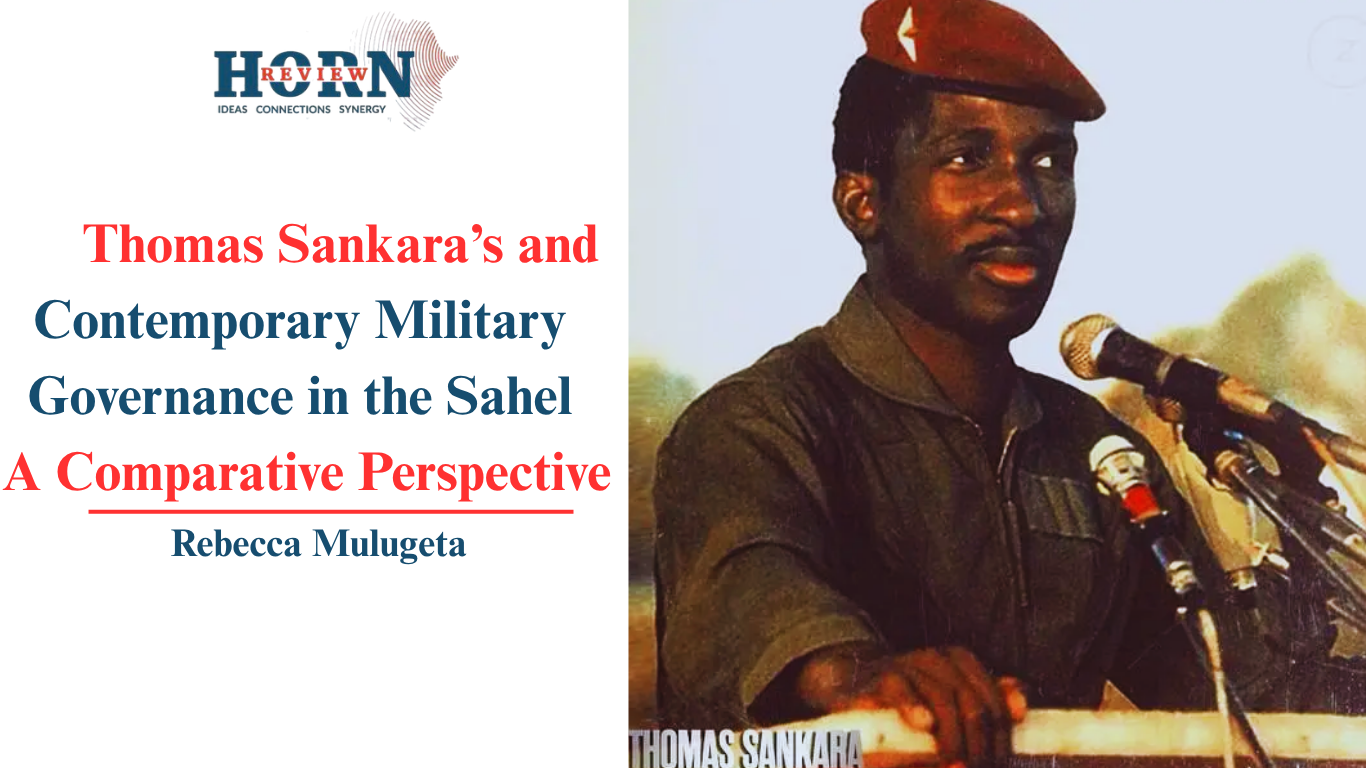
To better understand this dynamic, it is useful to compare contemporary military leadership in the Sahel with a historical figure frequently cited in discussions of transformative governance: Thomas Sankara. Sankara’s rule in Burkina Faso during the 1980s is often remembered as a period of bold reform and political experimentation. Although he came to power through a military-backed takeover, his governance was not defined solely by military logic. Instead, it was driven by a revolutionary vision that sought to reshape the state and society in profound ways.
Sankara’s leadership was characterized by a strong ideological commitment to self-reliance, and social justice. His government implemented land reforms aimed at empowering rural communities, and He also took a firm stance against corruption, often challenging the privileges of political elites and redirecting state resources toward public welfare.
Importantly, Sankara’s approach to governance included elements of popular participation. While his system was not democratic in the liberal sense, it incorporated local committees and mobilization structures that allowed citizens to engage with political processes. This created a sense of collective ownership over national development, even within a centralized system.
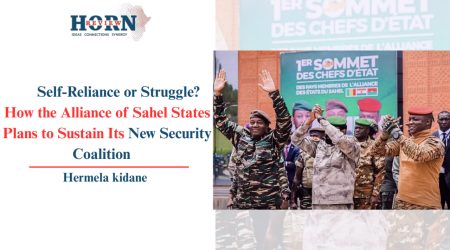
This stands in contrast to many contemporary military regimes in the Sahel, where the logic of governance is shaped less by ideological transformation and more by immediate security concerns. Military leaders who have taken power in recent years have often justified their actions as necessary responses to deteriorating security conditions and weak civilian leadership. These justifications resonate in contexts where armed groups have expanded their presence and where governments have struggled to respond effectively.
However, the structure of these regimes reveals a fundamental limitation. While they may adopt rhetoric centered on sovereignty, anti-corruption, and national renewal, their governance strategies are often narrowly focused on restoring order and consolidating authority. The emphasis is placed on military operations, territorial control, and internal stabilization, rather than on long-term institutional reform or socio-economic transformation. This creates a gap between rhetoric and reality, where promises of change are not matched by systemic action.
One of the key differences between Sankara’s rule and contemporary military leadership lies in their approach to the relationship between the state and society. Sankara sought to actively mobilize citizens, encouraging participation in development initiatives and fostering a sense of collective responsibility. His governance model, while centralized, was not detached from the population it governed. Instead, it attempted to integrate citizens into the political process, even if within controlled parameters.
In contrast, many current military regimes in the Sahel tend to centralize power more rigidly. Political space is often restricted, with limitations placed on civil society organizations, independent media, and political opposition. Decision-making is concentrated within a small group of military and political elites, reducing opportunities for broader participation. While such centralization may be justified as a necessary measure in times of crisis, it can also weaken accountability and limit the state’s ability to respond effectively to public needs.
This difference has significant implications for governance outcomes. Sankara’s model, despite its limitations, demonstrated a willingness to pursue structural reforms that addressed root causes of inequality and underdevelopment. Contemporary military regimes, by contrast, often focus on short-term stabilization, with less emphasis on long-term institutional development. As a result, the underlying drivers of instability, poverty, exclusion, weak governance, and lack of public trust remain largely unaddressed.
The question of legitimacy further highlights this divergence on. Modern military regimes face a more fragile form of legitimacy, particularly in relation to corruption and insecurity. However, maintaining legitimacy requires more than initial support. It depends on the ability to deliver tangible improvements in governance, security, and economic conditions. Without such improvements, public support can erode, leading to renewed instability or political tension.
Another important factor is the role of external actors. Sankara’s Burkina Faso operated in a geopolitical context that allowed for a degree of policy independence. While external pressures existed, they were less intrusive than in the current global environment. Today, Sahelian states are deeply embedded in networks of international cooperation, including military partnerships, development aid, and diplomatic engagement. These external relationships can provide critical support, but they can also create constraints that limit domestic policy flexibility.
The persistence of armed insurgencies adds another layer of complexity to the governance crisis. Groups linked to extremist networks have exploited weak state presence, local grievances, and economic marginalization to expand their influence across the region. Military responses, while necessary to counter immediate threats, are insufficient on their own. Without addressing the structural conditions that enable these groups to operate, such as lack of governance, poor service delivery, and social exclusion, security gains are likely to remain temporary.
This shows a central limitation of military rule. It is inherently oriented toward control and enforcement, rather than inclusive governance and institutional reform. While military leaders may be capable of restoring order in the short term, sustaining that order requires a broader set of governance mechanisms. These include accountability systems, participatory institutions, and policies that address the socio-economic needs of the population.
The broader failure of both democratic and military systems in the Sahel points to a deeper structural issue. Democratic governments have struggled with corruption, weak institutions, and elite dominance, leading to public frustration and loss of trust. Military governments, while promising efficiency and discipline, often reproduce similar patterns of centralization and limited accountability. As a result, neither system has been able to establish a stable and effective governance framework.
The comparison with Thomas Sankara helps to clarify this point. Sankara represents a unique case where military authority was combined with a strong ideological commitment to transformation. However, his model cannot be easily replicated in contemporary contexts, where the political, economic, and security environments are significantly more complex. but serves as a reminder that leadership and vision matter, but also that structural conditions ultimately shape governance outcomes.
In the Sahel today, military rule appears less as a pathway to transformation and more as a response to crisis. While it may provide temporary relief from instability, it does not address the deeper issues that underpin governance failure. Without meaningful reforms, there is a risk that military regimes will become part of the problem rather than the solution, perpetuating cycles of instability and weak governance.
The future of the Sahel will depend on the ability to move beyond the false dichotomy of democracy versus military rule. The real challenge lies in building governance systems that are capable of delivering security, accountability, and development in a sustainable way. This requires strengthening institutions, expanding political inclusion, and addressing the socio-economic conditions that drive conflict and instability
The Sahel’s crisis is not merely a question of regime type, but a crisis of governance quality. While military interventions are often framed as necessary corrections to systemic failure, they cannot substitute for the structural reforms required to stabilize the region’s political landscape. The path of sankara serves as a rare data point for transformative leadership, yet it simultaneously underscores the extreme difficulty of achieving such outcomes within a fragile state apparatus. Whether under a civilian or military mandate, lasting stability remains a lagging indicator of institutional resilience. Without addressing the core deficit of effective, accountable governance, the Sahel will remain trapped in a cycle where neither democratic nor autocratic models can deliver the human security and long-term stability the region desperately requires.
By Rebecca Mulugeta, Researcher, Horn Review