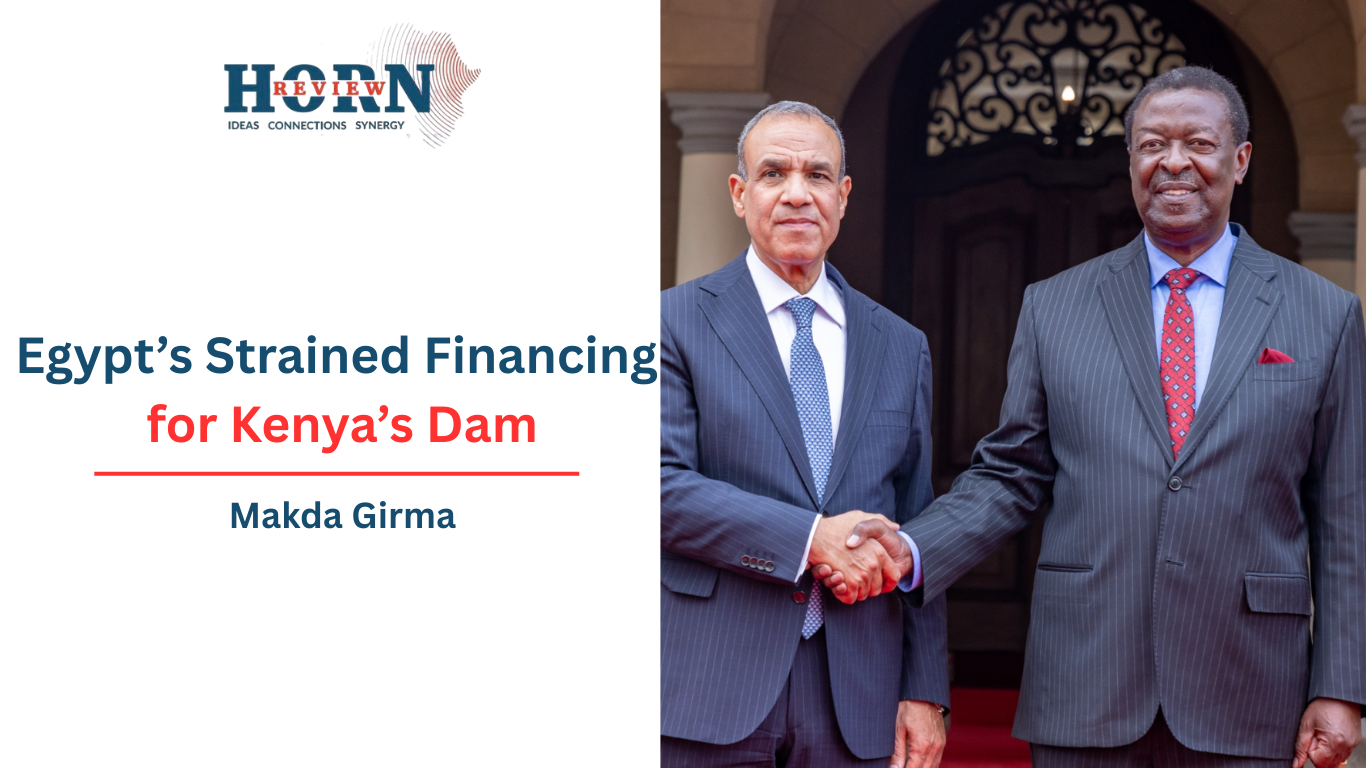
Egypt’s move into Kenyan water projects with that $100 million financing deal, announced on February 16, 2026, during talks in Nairobi between Foreign Minister Badr Abdelatty and Prime Cabinet Secretary Musalia Mudavadi, looks like a calculated risk to claw back some sway over the Nile Basin. The plan zeroes in on stalled efforts like the Soin-Koru Dam, plus rainwater collection and groundwater work, with Cairo pitching it as teamwork on big issues like climate shifts and water shortages.
But dig deeper, and it’s clear this is about planting legal flags for downstream countries, scooping up vital water data, and building partnerships that might sideline heavy hitters upstream, such as Ethiopia, all against the backdrop of Egypt’s economy still shaking off years of financial rough patches.
To really get why Egypt’s going for this bold play, you have to look at their economic situation. By early 2026, things had moved from full-blown crisis to a kind of shaky recovery, thanks to tough policy changes and help from abroad. The IMF gave a nod on February 25, 2026, completing the combined fifth and sixth reviews of the Extended Fund Facility along with the first review under the Resilience and Sustainability Facility, praising the “ongoing stabilization work” and unlocking $2.3 billion, which pushed total payouts past $5.2 billion from setups that grew to $8 billion back in 2024.
Reserves climbed to a record $52.6 billion by January 2026, giving them cover for about six months of imports and easing short-term cash crunches. GDP growth picked up to 4.4% in the 2024/2025 fiscal year, with 4.7% projected for 2026, driven by bounces in tourism (now beating pre-pandemic numbers) and remittances over $30 billion a year. Inflation, which hit households hard at 38% in September 2023, cooled to 11.9% by January 2026, helped by tighter money policies like higher rates and a looser exchange setup for the pound. The current account shortfall narrowed to 4.2% of GDP, boosted by stronger exports and FDI, especially from Gulf allies. Underpinning it all are huge Gulf infusions, like the $35 billion UAE deal for Ras El Hekma in 2024 and a $30 billion Qatari promise in November 2025, which didn’t just add cash but turned old deposits into real projects. In short, Cairo is buying regional relevance with borrowed Gulf time.
Still, these wins hide some serious weak spots and tough compromises. The IMF pointed out uneven progress on key changes, especially sluggish steps to reduce the state’s heavy footprint in the economy and spark more private money. Tightening the budget has hurt on the ground: the 2025/2026 plan cut fuel subsidies from 154.5 billion EGP to 75 billion and trimmed bread aid, making life harder for folks where poverty already hits over 30%. Against that, dropping $100 million, around Ksh 12.9 billion, on Kenyan projects comes off as pretty out of touch, putting foreign strategy ahead of fixing things at home.
Egyptians are paying more for basics so that engineers and companies can set up monitoring gear overseas, gambling that it’ll lock in water rights down the line. The money’s setup adds to it: as export credits and easy loans, it props up local firms like Arab Contractors, keeping jobs going in an industry with 15% unemployment and making sure the labor stays Egyptian. Cairo smartly wrapped this in its 2025-2026 role leading the African Union’s NEPAD Steering Committee, tying it to the “Team Africa” push for $500 billion in 300 projects continent-wide. This spin cleans up Gulf credit trades, based on UAE and Saudi goals to push back against Ethiopian, Turkish, and Qatari positions in the Horn, turning it into African unity talk that boosts Egypt’s image while hiding the stand-in plays.
At the core is the Soin-Koru Dam, tied into the wider Nyando or Nzoia River areas through linked streams that feed Lake Victoria, the main start of the White Nile. This Sh19.8 billion setup is meant to irrigate 4,000 hectares, crank out up to 2.5 megawatts of power, and tame floods in a spot where heavy rains regularly force people out and wreck harvests.
It’s been stuck since 2017 over funding shortfalls, and a 2025 court ruling from the National Environmental Tribunal added a Sh2.2 billion payout to locals within 90 days, highlighting Kenya’s bigger struggles with building stuff amid other money needs like flood fixes.
Egypt’s offering designs, on-the-ground experts, and management help to get it moving again, but it also hands Cairo direct access to live White Nile flow info, which could shape better water plans or fuel arguments. While the White Nile only makes up 15% of total flow at Aswan, its steady base flow is what keeps Egypt going through the dry season, unlike the highly seasonal Blue Nile from Ethiopia. So Egypt’s all-in effort here chases a small but critical piece, showing it’s more about mindshare, legal examples, and protecting that reliable dry-season supply than big overall water wins. The strings attached, calling on “international law,” sneak in references to the 1929 Anglo-Egyptian Treaty and 1959 Egypt-Sudan deal, which locked in 55.5 billion cubic meters for Egypt and 18.5 for Sudan, with blocks on upstream moves. Those old rules bump heads with the CFA, which kicked in after South Sudan’s sign-off in October 2024, pushing for fair splits without total veto power and paving the way for the new Nile River Basin Commission (NRBC).
Egypt is now trying to rejoin this framework while working to soften its strong push for equitable use. By slipping in “downstream input” needs, Cairo’s trying to nudge Kenya—a CFA backer since 2010, toward quietly okaying those dated systems, which could crack upstream unity and gear Egypt up for tougher GERD fights. Egypt isn’t just building a dam; it is installing a stethoscope on the heart of the White Nile.
The backstory of the Nile Basin ramps up what’s at risk here. Crossing 11 countries and sustaining over 500 million people, the river’s been Egypt’s lifeline, delivering 97% of its water for a population pushing 110 million, with climate outlooks warning of 20% drops in flow by 2050 from weird weather and more evaporation. Ethiopia’s $4.2 billion GERD, starting in 2020 and now putting out over 5,000 megawatts, has flipped the script by tapping the Blue Nile for power, connecting 60% of Ethiopians who were off the grid and selling to nearby spots. The dam stands as a powerful symbol of Ethiopia’s sovereign financing, 91% funded directly by the Ethiopian people and state through Renaissance Bonds, salary deductions, and national contributions, with China’s role limited to roughly $1.8 billion for electrical infrastructure like turbines and transmission lines, not the dam wall or reservoir itself. Bogged-down AU talks with Sudan have pushed Egypt toward other moves, like sending troops to Somalia, linking with Eritrea, and now this Kenya tie-in. The Nairobi statement went further than water, committing to back Sudan’s unity and borders in its drawn-out civil strife, pointing to Egypt’s idea of a Cairo-Khartoum-Nairobi group, a layered squeeze to box in Ethiopia on diplomacy, law, and maybe security, using Sudan’s downstream spot to turn up the heat on Addis.
Kenya’s handling this with sharp practicality, setting itself up as a player who pulls the most from competing sides. It joined the CFA in 2010 but hasn’t fully locked it in, balancing links: energy from Ethiopia runs deep through the 500 kV Sodo-Moyale-Suswa line, up since late 2023, delivering 1,274 GWh by June 2025, 83% of power buys and making Kenya the largest importer of Ethiopian electricity, saving $10 million a year and cutting blackouts as demand tops 2,300 megawatts. That setup fuels Kenya’s Bottom-Up Economic Transformation Agenda, powering factories and farms. At the same time, Egypt’s cash tackles urgent gaps, like Koru’s watering 200,000 acres and targeting 14 million maize bags a year to ease imports, as per the 2026 budget outline.
Kenya joining a CFA ministers’ meet in Addis on February 13, 2026, right before the Egypt pact, underlines solid upstream bonds, casting the deal as a quick borrow of favor instead of a full switch. This savvy two-way grab uses Egyptian funds for real builds and engineering services while holding Ethiopian energy steady, stretching to extras like better Alexandria-Mombasa shipping to dodge Red Sea messes. Energy from Addis versus engineering from Cairo, that’s the classic Horn balancing act.
The built-in weak points make this a dicey bet. Even with reserves building, Egypt’s money setup stays hooked to Gulf moods, open to shifts from troubles in Gaza, Sudan, or other places, which could leave projects hanging. Moody’s downgrade to negative outlook in 2025, blaming area unrest, highlights shaky credit backing that might undo the recovery. Kenya’s practical style means ties could fade once the dam’s done. Bigger fallout might strain relations with China, which provided key electrical infrastructure support for the GERD, or spark hotter basin clashes as climate warnings flag more shortages.
In the end, Egypt’s play, using this economic breather to hunt small victories on side waters, could flop in a shifting Nile setup where team-based fairness wins over solo grabs, maybe leaving Cairo cut off as upstream countries lock in their edges. In the end, the true risk is that the Egyptian taxpayer pays for a Kenyan dam that cannot stop the Blue Nile’s tide, leaving Cairo parched, not for lack of water, but for lack of a sustainable domestic future.
By Makda Girma, Researcher, Horn Review