Ethiopia’s steady support for multilateral structures like the African Continental Free Trade Area (AfCFTA) and the Nile River Basin Cooperative Framework Agreement (CFA) highlights a dedication to building inclusive economic ties, long-term industrial growth, and fair distribution of resources throughout the continent. By ratifying the AfCFTA early in 2019 and working diligently to bring the CFA into effect in October 2024, Ethiopia has sought to break down the remnants of colonial-era distributions that have limited opportunities for upstream countries.
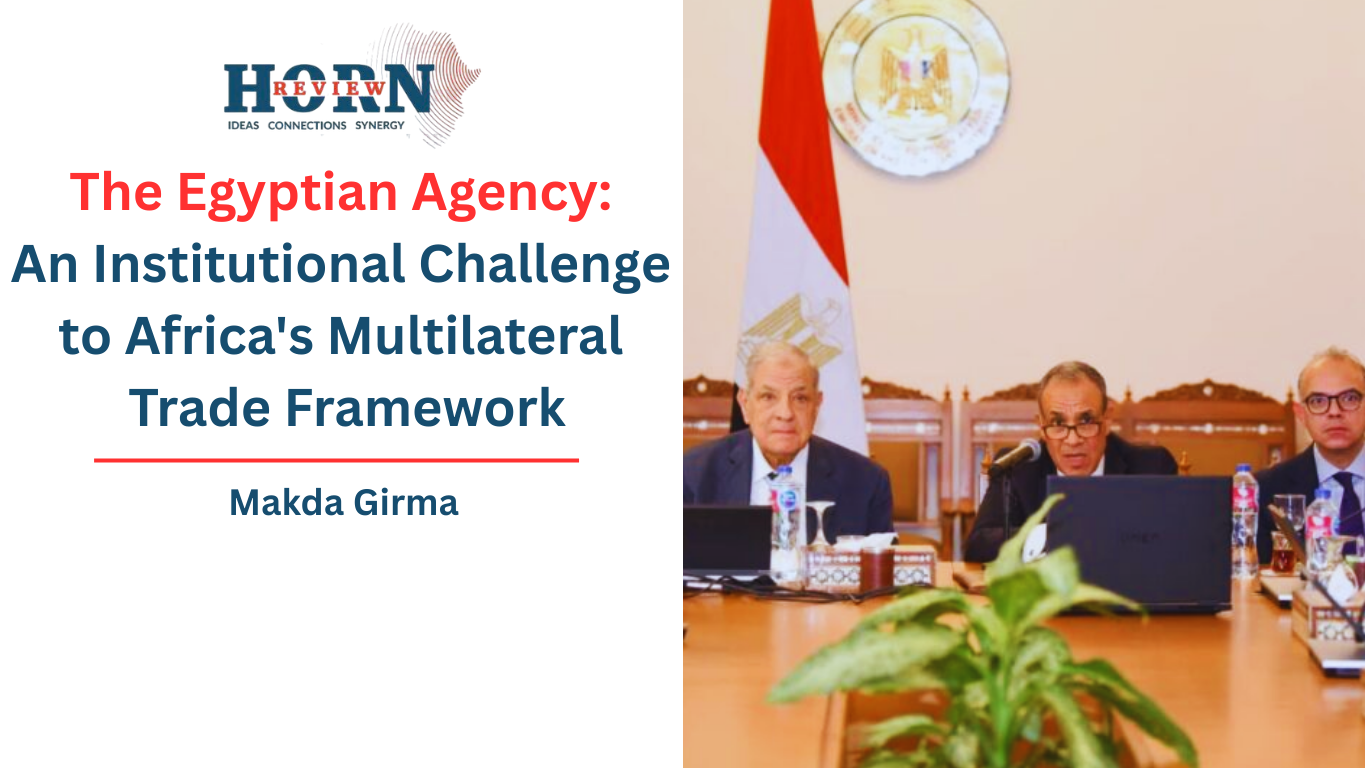
Against this, Egypt’s update to the Egyptian Agency of Partnership for Development (EAPD), presented on February 18, 2026, by Foreign Minister Badr Abdelatty, calls for careful review. Drawing from President Abdel Fattah al-Sisi’s input at the 2014 African Union summit, this step creates a Board of Trustees with key players like Central Bank Governor Hassan Abdalla, aimed at fostering progress in trade, energy, infrastructure, irrigation, and similar fields. Still, it poses questions as a possible counterforce to the AfCFTA’s goal of an integrated market, potentially splitting Africa into distinct, Egypt-oriented clusters via targeted bilateral deals that emphasize specific national goals over wider continental unity and balanced sovereignty.
This shift is more than just organizational change; it sets bilateral interactions as options alongside the AfCFTA’s multilateral system, which works to link 55 states in a $3.4 trillion GDP setting with clear, mutual standards. Ethiopia has backed AfCFTA-based opening of intra-African trade, starting its initial exports under the pact in 2023 and pressing for the CFA to prevent Nile assets from being controlled by old treaties. On the other side, Egypt holds onto various bilateral trade pacts with countries such as Jordan, Lebanon, Libya, Morocco, Syria, and Tunisia, many from the 1990s, plus important agreements with powers like China and Russia. These customized bilateral tools allow Cairo to arrange beneficial conditions, like better entry for Egyptian items, while avoiding the AfCFTA’s needs for shared tariff cuts and Africa-wide ways to handle disputes.
Egypt’s involvement in the AfCFTA from 2021 onward has been cautious, adding to the ongoing low rate of intra-African trade at 14-15% across the region, well under Europe’s 60-70%. Turning to bilateral routes weakens the basic trust needed for the AfCFTA to function well, which might pull economically smaller African nations into alignments centered on Egypt, creating uneven dependencies instead of the even, pan-African structure that multilateral approaches aim for.
In addition, the EAPD’s push for “private sector investment maps” deserves attention as a sign of mercantilism centered on the Nile, steering Egyptian businesses to leading roles in Nile Basin markets and possibly slowing the rise of homegrown sectors. Taken from the EAPD’s latest plans, these maps point out main chances in areas like farming and water management in the Nile Basin, directing Egyptian backers while perhaps pushing aside local groups in places like Ethiopia, Uganda, and Tanzania, all involved with the CFA. This method brings up issues of renewed colonial imbalances, where Egypt sticks to the 1929 Anglo-Egyptian Treaty and the 1959 Egypt-Sudan Agreement, giving 55.5 billion cubic meters of Nile water to Egypt and 18.5 billion to Sudan, overlooking Ethiopia’s large 85% input to the Blue Nile’s amount.
By sending funds through bilateral paths, the EAPD weakens the AfCFTA’s Investment Protocol, meant to replace scattered bilateral investment deals with a consistent, Africa-wide system that supports lasting, intra-African funding without special treatment. The result could change possible regional supply networks into paths mainly helping Egyptian sales abroad, thus restricting Nile Basin parties from growing their industrial strengths under multilateral guards.
Egypt’s careful placement in the Horn of Africa shows how the EAPD’s focus on “strategic partnerships” could add to differences from multilateral agreement, using past examples of engagement that lean toward bilateral sway over AfCFTA-type teamwork. Past backing for Eritrean self-rule efforts in the 1960s and 1970s, which tested rules on land wholeness, has echoes in current three-way setups with Eritrea and Somalia, set through 2024-2026 talks and including pledges like up to 10,000 Egyptian staff in Somalia under a 2025 defense deal. These setups, affected by Gulf parties like Saudi Arabia’s work with Eritrea, seem geared toward limiting Ethiopia, a CFA supporter, and opposing its efforts for sea entry through Somaliland.
The effects for Africa are notable: such bilateral steps stress the Horn’s fine balance, as noted by the International Crisis Group, and Egypt’s background, including its short African Union pause after 2013 happenings, points to a way of chosen involvement that favors tactical advantage over joined continental aims, similar to old splits that have blocked group advancement. Studies in geopolitics tie this setup right to worries about the GERD, while others point out its chance to ignore Ethiopia’s valid concerns, so building ongoing area unsteadiness that multilateral setups find hard to fix.
The Grand Ethiopian Renaissance Dam serves as a clear example of this split in views: Ethiopia sees the GERD, with its power over 6,000 megawatts and chances for area energy sales, as a multilateral plus under the CFA, moving forward continent-wide power and AfCFTA-backed factory growth. In reply, Egypt’s 2025 statements at the United Nations have seen it as a big danger, mentioning likely short-time cuts in downstream flows of up to 25%, despite the dam’s future gains in lessening dry spells and pushing energy fairness. This bilateral view raises the chance of fights based on resources, harming Sustainable Development Goals and the AfCFTA’s aims for easy trade, as split partnerships block the building of linked setup that could make the GERD a joint area help instead of a spot of argument.
Egypt’s home issues also shape this institutional setup, with the EAPD acting as a bilateral way to deal with matters that multilateral places like the AfCFTA could handle through group talk. Breaks in the Red Sea have greatly lowered Suez Canal income, falling from $6.6 billion to $3.6 billion in one money period, with a small rise to $449 million by early 2026, among International Monetary Fund notes on the military’s big money part that limits full change. At the same time, Human Rights Watch’s 2026 records of system problems, including 21 cases tied to “public morals,” outside-law events like the April 2025 one in Marsa Matrouh, and sending back Sudanese people against nonrefoulement rules, suggests that Egypt might without meaning spread inner pressures through bilateral links, harming the shared surety key for multilateral bodies. Differing from Ethiopia’s firm multilateral direction, which fits with the AfCFTA’s fixing processes and private field pushes, Egypt’s way risks keeping unevenness, blocking continent-wide blending as bilateral choices go around AfCFTA rules and highlight differences.
The Bottomline is, the EAPD’s growth sets up a bilateral offset to Africa’s changing multilateral scene, different from Ethiopia’s leading parts in the CFA and AfCFTA, which have the power to create $450 billion in total income by 2035. With growing strains over the GERD and Horn ways nearing key points, and Egypt’s held-back join in February 2026 African Union talks showing its focus, the risk to Agenda 2063’s ideas of calm and all-in growth is clear. Africa needs ongoing watch of such setups, with the African Union given power to keep multilateral rules over single claims, so guiding planned goals toward a joined and strong continent path.
By Makda Girma, Researcher, Horn Review