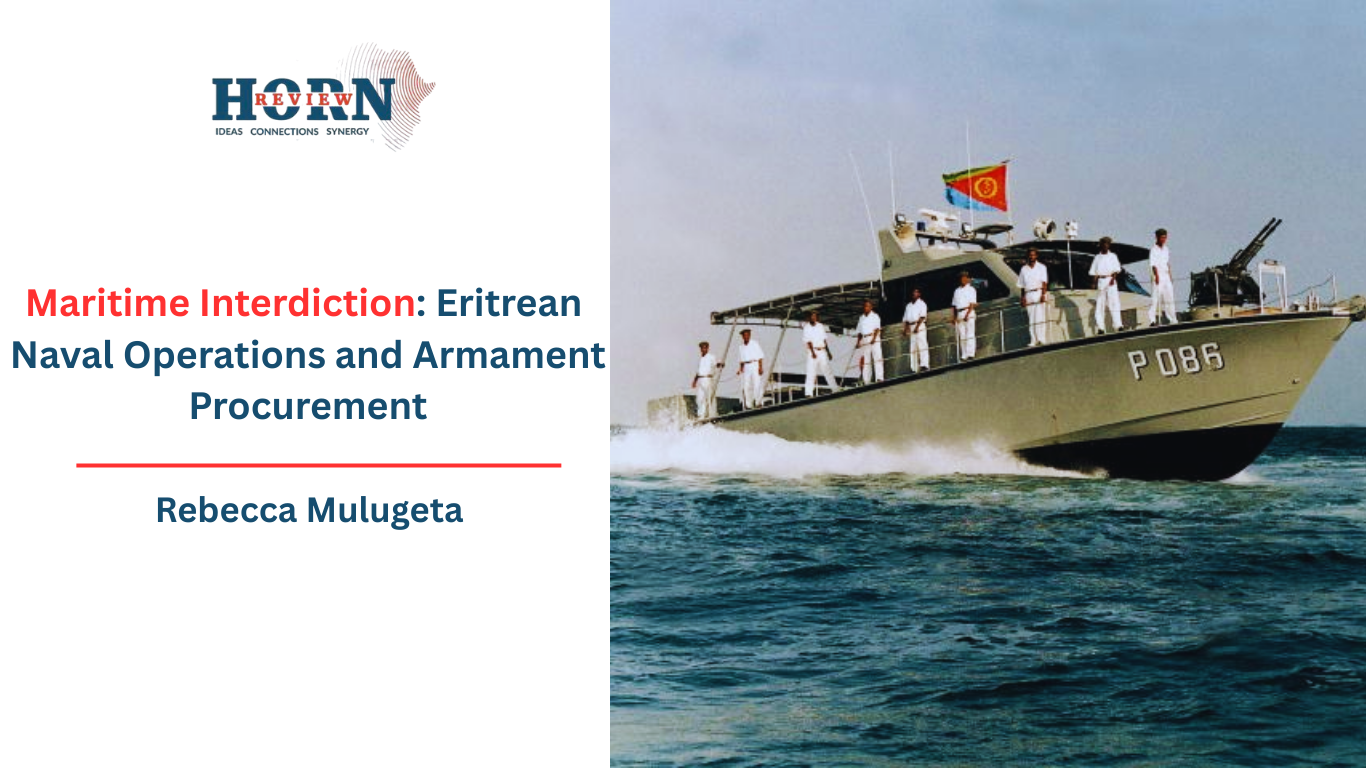
Maritime Interdiction or is it Protection? Is this predatory procurement model involving the tactics of detained vessels, where seized hardware like radar suites? Beneath the stinging spray of the Red Sea, the Eritrean Navy has transitioned from a coastal guardian into a marauding vanguard, weaponizing maritime predation to forge a tactical arsenal aimed directly at the heart of Ethiopian interests.
This grim section off the Hanish Islands in late 2025, where the relentless chatter of machine guns shattered the fragile peace of the 1998 Hague ruling, as Eritrea’s gunboats descended upon civilian fishermen with lethal indifference. By seizing hulls and engines as trophies of dominance and dragging survivors into the subterranean detention pits of Massawa, Eritrea has effectively shredded decades of international maritime law, replacing the diplomacy of the volcanic crags with a doctrine of state-sponsored piracy. This is no mere dispute over fishing rights; it is a calculated projection of naval power designed to secure a chokehold on the sea. signaling a humanitarian bloodletting where sovereign treaties lie beached and the regional equilibrium drowns in tracer fire.
It’s a pattern etched in repetition, 2024’s boarding frenzies, sporadic releases after ransoms masked as fines, all building a navy drunk on impunity, its decks slick with the desperation of those who fish to eat.Then came the audacious haul that stunned the world Eritrea’s first strike at Azerbaijani blood in November 2024, snaring three merchant giants, CMS Pahlavan, CMS Igid, and CMS-3, right alongside their 18 Caspian crewmen who had dropped anchor just 12 miles out to weather a howling gale. Eritrea’s response was iron claws “illegal trespass,” vessels impounded, mariners vanished into the regime’s black-hole jails. Azeri envoys scrambled, firing notes, begging the IMO for deliverance, but the ships moldered, their cargoes vital links in the Europe-Asia trade vein held hostage that exposed Eritrea’s true hunger.
These weren’t poachers dodging trawls; they were global traders, their seizure a declaration of war on the Suez lifeline, where tankers groan with the world’s oil and bellies of grain fleets pulse toward famine-prone ports. Eritrea, once a Red Sea whisper, now roars as regional overlord-in-waiting, its patrols ghosting through fog banks.
Beneath the current maritime volatility, Eritrea is executing a sophisticated strategic pivot, utilizing intensified boundary patrols as a front for an asymmetric arms race primarily geared toward a potential conflict with Ethiopia. By transforming the ports into highly fortified littoral hubs supported by Iranian-sourced drone capabilities and advanced SAM batteries Eritrea is systematically building a deny-and-defend posture designed to strangle Ethiopia’s regional ambitions. This predatory procurement model involves the tactical procurement of detained vessels, where seized hardware like radar suites, GPS systems, and propulsion units are integrated into a rapidly scaling conscript-led navy, effectively turning every maritime interdiction into a logistical windfall for their domestic defense architecture.
This is beyond fishing enforcement: it’s systematic disarmament of the seas, hoarding materiel to fuel Eritrea’s apocalypse chest. Recall the Tigray war of 2020-2022, where Eritrean gorged on captured Ethiopian arsenals: T-72 hulks, BM-21 Grad launchers, D-30 howitzers, anti-tank missiles by the truckload, all scooped from TPLF depots and federal armories in the chaos of Badme’s revenge. Tens of thousands of tons, vanished into Eritrea’s vaults, refurbished in hidden forges, now regurgitated as gifts to TPLF diehards the same splinter cell stirring embers in Tigray’s hills and Afar’s dust-choked passes
Here’s the thread, Eritrea’s Red Sea raids are the sequel to Tigray’s plunder, a closed-loop proxy engine where sea theft funds land sabotage, Tigray spoils arm sea raiders, creating an endless spiral primed to eviscerate Ethiopia by inches. Those Azerbaijani ships likely gutted for electronics feeding drone swarms that buzz Ethiopian borders. Yemeni trawlers Engines retrofitted for speedboats smuggling TPLF rockets across the Mereb. It’s genius in its depravity, and high-yield, turning global outrage into an operational edge. As the grizzled warlord clinging to power through youth-sapping conscription, knows his brittle state can’t sustain open war; better to bleed the giant neighbor dry. Proxies like TPLF aren’t distractions; they’re the tip of the spear, armed with yesterday’s Ethiopian iron, probing for fractures, while sea blockades starve the core.
Ethiopia’s 90% sea-dependent trade the birr hangs by Djibouti’s thread, already frayed by Houthi fire and Eritrean interlopers skimming tolls via historical smuggling lairs in Assab. One coordinated squeeze patrols halting tankers, TPLF flares tying down legions, encircled by Egypt’s Nile grudge, Somalia’s port envy, Eritrea’s sea-air vise. The incursions shred freedoms, Geneva decencies, birthing a pirate fiefdom. Eritrea dominates not by fleet size rickety ex-Soviet hulks but audacity, patrols ranging into Yemeni shallows, Somali drifts, Houthi shadows, daring retaliation. Yet this is Ethiopia’s doomsday clock ticking loudest: without sea access since 93, its economy gasps, borders bleed from proxy thorns, skies vulnerable to Eritrean missiles veiling Assab. They’re ready to destabilise us by any means, as Tigray proved now rescaled to drown the nation in hybrid hell.
To secure Ethiopia’s sovereign future against existential regional threats, the administration must prioritize a multi-domain “triad” defense integrating naval primacy, air superiority, and a modernized ground force to act as a decisive deterrent against Eritrea’s aggressive militarization. This strategic imperative, informed by the historical precedent of proxy destabilization, necessitates the rapid scaling of domestic maritime manufacturing and the cultivation of elite naval academies to safeguard trade corridors through the Bab-el-Mandeb.
To preempt the persistent cycle of Eritrean-led regional destabilization, Ethiopia must pivot from reactive defense to a proactive, multi-front rupture of hostile states logistical and diplomatic manoeuvres. By using intelligence through high-resolution satellite disclosures of illicit arms flows and deploying cyber-offensive capabilities to disrupt command and control, This paradigm shift backed by a trinity of naval, aerial, and land-based dominance seeks to diversify logistics. isolating Eritrea’s proxy networks and establishing an impregnable security architecture that ensures Ethiopian sovereign interests remain unassailable.
Eritrea’s maritime aggression, a byproduct of the Tigray conflict and proxy-driven destabilization, represents a strategic game that is inadvertently catalyzing a regional containment web involving aggrieved stakeholders from Yemen to Azerbaijan. To rupture this cycle of loot and raid provocations, Ethiopia must pivot to a proactive sea shield doctrine that neutralizes maritime chokepoints and its predatory weaponization of territorial laws tactics recently exemplified by the high-stakes detention of Azerbaijani vessels.
Reviving a robust naval force is not luxury and again integrated with a dominant air wing, Ethiopia can secure its vital logistics corridors against any incursion of commercial assets, ensuring its 120-million-strong economy is no longer held hostage by a chokepoint economy. This naval restoration is an existential strategic imperative to protect Ethiopian commercial interests, enforce sovereign escorts, and transform the Red Sea from a site of vulnerability into a stabilized region of Ethiopian influence, ultimately reclaiming the coastline through a fusion of industrial steel and unyielding sovereign will.
By Rebecca Mulugeta, Researcher, Horn Review