Israel’s formal recognition of Somaliland marks a profound disruption in one of the most sensitive constitutional and geopolitical questions in the Horn of Africa. Somaliland has exercised de facto independence for more than three decades; however, international law and diplomatic convention have consistently upheld Somalia’s territorial integrity. By moving from informal engagement to explicit recognition, Israel has not merely acknowledged a political reality on the ground but intervened in a longstanding regional equilibrium. Recognition transforms a contested regional issue into a matter of international diplomacy, potentially redefining precedent regarding statehood, borders, and sovereign legitimacy across Africa and beyond.
International reaction has been swift and largely critical. Somalia has unsurprisingly rejected the recognition as an illegitimate intrusion into its sovereignty. Key regional and multilateral actors have echoed this position, reaffirming the established African principle that borders are not to be altered through unilateral external endorsement. A range of Arab states, African regional institutions, and neighbouring governments have warned of the destabilising implications, framing the issue less as a question about Somaliland itself and more as a dangerous precedent whereby external powers impose political outcomes in the Horn of Africa.
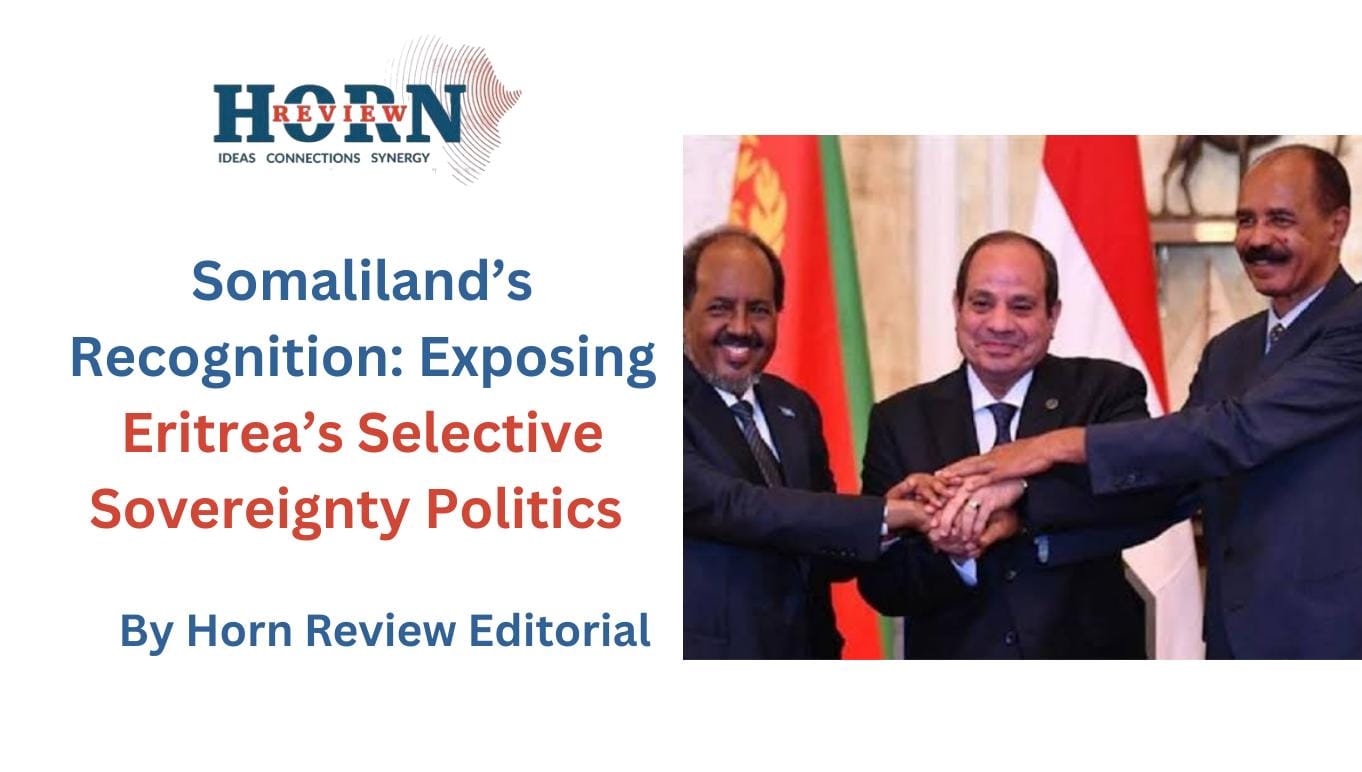
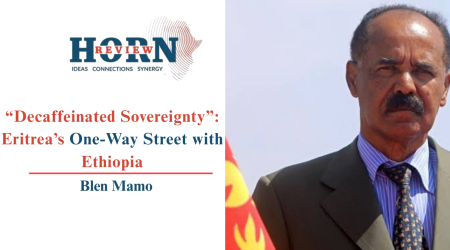
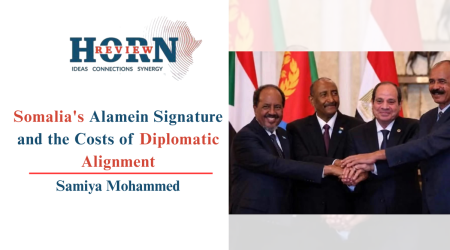
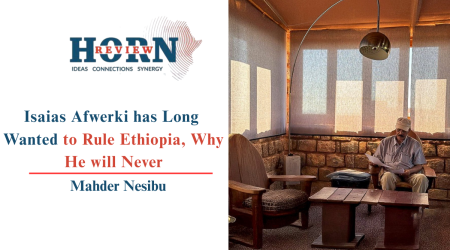
Within this broader reaction, Eritrean President Isaias Afwerki’s silence acquires analytical weight. This silence matters precisely because of the historical contrast. In early 2024, when Ethiopia signed a memorandum of understanding with Somaliland, Eritrea did not behave with restraint. On the contrary, Eritrea presented itself as a vocal defender of Somalia’s sovereignty, aligning rhetorically with Somalia’s leadership and coordinating positions with regional partners such as Egypt. At that moment, Eritrea framed Ethiopia’s action as an unacceptable affront to Somalia’s territorial integrity, deploying language of legal principle, regional order, and respect for sovereignty.
The contrast with the present moment is striking. Israel’s move is more consequential than Ethiopia’s memorandum, because it crosses the threshold from political engagement to formal recognition. Yet Eritrea has not reacted with comparable intensity. There has been no orchestrated condemnation, no diplomatic mobilisation, and no invocation of the same sovereignty discourse that dominated Eritrean rhetoric in 2024. The absence is not accidental; it is politically revealing.
Understanding that silence requires situating Eritrea’s behaviour within its broader historical posture toward Somalia. Over the past three decades, Eritrea’s relationship with Somali sovereignty has rarely been one of principled respect. Numerous UN investigations and international assessments have documented periods in which Eritrea was accused of covertly supporting armed non-state actors in Somalia, including elements linked to al-Shabaab, as part of a broader strategy of regional destabilisation directed above all against Ethiopia. These allegations, which led to years of international sanctions on Eritrea, were grounded in the logic that Eritrea’s Somalia policy has long been instrumental: Somalia has been treated less as a sovereign partner to be protected and more as a strategic theatre through which pressure could be exerted on Ethiopia’s eastern security frontier.
Placed against that history, Eritrea’s earlier performance as a moral guardian of Somali territorial integrity appears less credible. Ethiopia, by contrast, has spent much of the past three decades investing substantial political, financial, and military capital in stabilising Somalia, supporting federal institutions, and attempting to build a functional security order. One may debate Ethiopia’s motives, methods, or strategic calculations, but it is analytically difficult to reconcile Eritrea’s claimed principled commitment to Somali sovereignty with its historically documented record of interference, while simultaneously ignoring Ethiopia’s comparatively sustained state-building engagement.
Seen through this lens, Eritrea’s current silence is not puzzling; it is clarifying. The intensity of Eritrea’s opposition in 2024 appears increasingly tied not to universal principles of sovereignty but to a very specific geopolitical anxiety: the possibility of Ethiopia reducing its strategic vulnerability by securing maritime access. In that moment, Somalia became a convenient arena through which Eritrea could resist Ethiopian transformation. Now, when the actor is not Ethiopia and Eritrea’s leverage is not directly threatened, the supposed principled commitment evaporates.
The result is that Israel’s recognition has not only reshaped the legal and diplomatic conversation around Somaliland; it has exposed the selective and instrumental nature of sovereignty rhetoric in the Horn of Africa. Eritrea’s silence functions as a political confession. It demonstrates that what was presented as principled defence of Somalia was, in reality, part of a much narrower strategic calculus centred on constraining Ethiopia. The language of law and sovereignty, loudly invoked in 2024, gives way to quiet calculation when those interests are no longer at stake. But Eritrea is not doing this because it supported Israel’s move or even Somaliland’s statehood as well.
In that sense, the present moment does not merely disrupt regional politics; it reveals them. It shows how declarations of principle in the Horn often conceal asymmetrical fears, rivalries, and strategic insecurities. Eritrea’s silence is therefore not empty. It is deeply political – and it makes plain that much of the moral rhetoric surrounding Somali sovereignty has never truly been about Somalia at all.
By Horn Review Editorial