The geopolitical landscape surrounding the Nile Basin has reached a pivotal juncture with the Grand Ethiopian Renaissance Dam (GERD) wrapping up in September 2025, marking a major win for Ethiopia’s drive toward energy independence and wider economic growth. This massive setup, geared to churn out over 5,000 megawatts of hydroelectric power, is now running at full tilt, but it’s also ramped up by age-old squabbles over how to divide up the Nile’s waters. At the same time, the Cooperative Framework Agreement (CFA) officially kicked in on October 13, 2024, once enough upstream countries signed on, shaking up the old colonial deals that gave downstream players like Egypt and Sudan the upper hand.
This shift carries huge strategic weight for Egypt, especially since the CFA has locked in the Nile River Basin Commission as a real-deal body after ratifications from Ethiopia, Rwanda, Tanzania, Uganda, Burundi, and South Sudan. Sure, they’ve hit the minimum needed, but Cairo’s keeping a sharp eye out to stop a domino effect from the remaining signers, like Kenya and the Democratic Republic of the Congo. If Kenya goes ahead and seals its ratification, it’d lend some serious moral and political weight to this new way of handling the Nile, making it tougher for Egypt to lean on its so-called historical rights in any international court or forum. From where Ethiopia sits, the GERD is a done deal pushing for fair shares and joint development among the eleven countries along the basin, standing as a symbol of going it alone on filling reservoirs and selling extra power to neighbors.
On the flip side, Egypt sees the dam as a straight-up survival issue, worried about cuts to the flow hitting the Aswan High Dam, which supplies over 98 percent of its fresh water. Officials in Cairo have voiced fears that Ethiopia calling the shots could hurt farming output, worsen shortages for a population topping 110 million, and throw the whole region off balance, especially when per-person water access has dropped to 490 cubic meters a year, way under the UN’s 1,000-cubic-meter line for water scarcity. With the country’s water needs climbing to 88.55 billion cubic meters annually against limited renewables, this crunch explains why Egypt’s getting more bold and generous in its diplomatic moves. What started as talks between a few countries has turned into a savvy mix of water politics, cash incentives, and rejigging alliances.
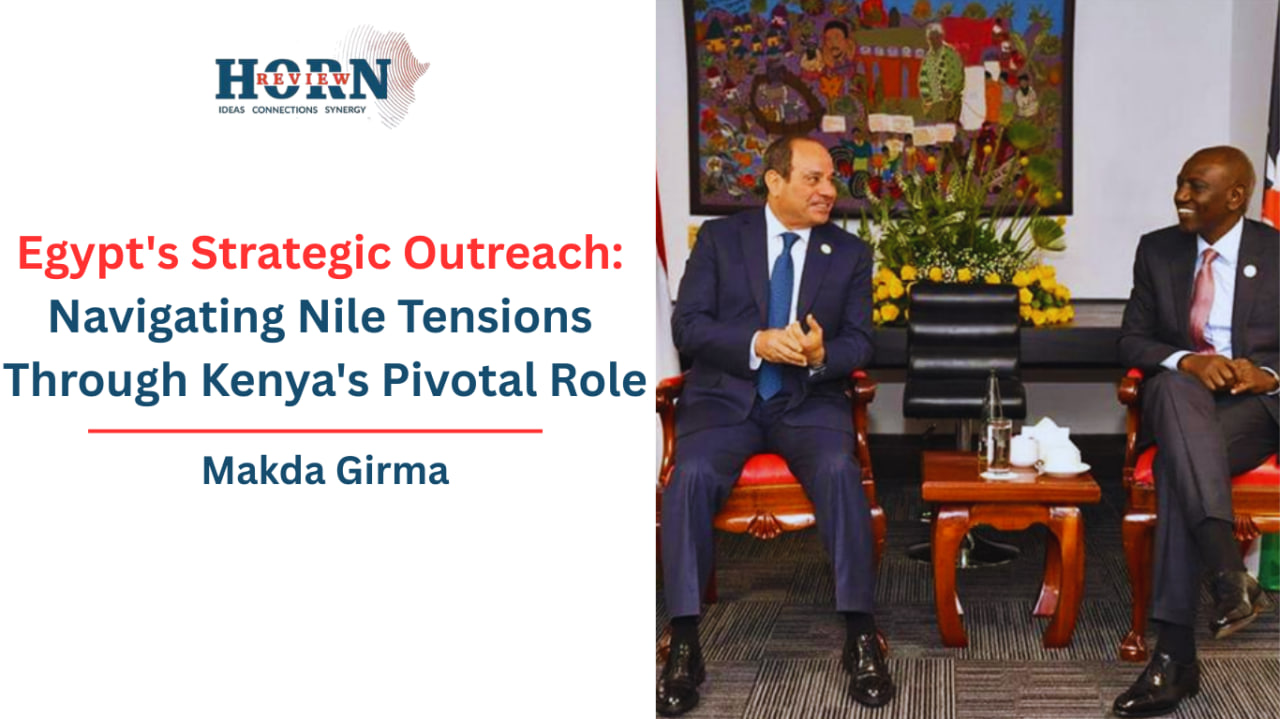
In a smart play, Egypt inked a key deal with Kenya in February 2026, stretching its reach into East Africa right as Nile tensions heat up. This is basically a pushback against the CFA gaining ground, with Cairo trying to block more ratifications through targeted one-on-one outreach. The Cairo-Nairobi agreement goes beyond the headlines, packing in all sorts of clauses like setting up a $100 million Southern Nile Basin Fund for scouting out infrastructure projects in the upstream area, basically offering an alternative to stuff run through the Nile Basin Commission. This pot of money boosts Kenya’s plans for the Koru Dam on the Nzoia River, meant to amp up irrigation, power production, and flood control in a key farming spot, but it’s tied to following international rules and promises not to mess with downstream flows. By slipping in these strings, Egypt quietly brings back echoes of the old colonial “no-harm” rule into Kenya’s plans, giving it a say in designs that the CFA might otherwise sideline for fair use principles.
Egypt’s commitments include soft loans and know-how, pitched as a win-win for beefing up water security while filling gaps in infrastructure, much like Ethiopia’s own dam-building push. The timing couldn’t be better for Kenya, where work on the Soin-Koru Dam stalled in September 2023 due to money woes, and then an April 2025 court order demanded Sh2.2 billion, over $17 million, in payouts to locals within 90 days, highlighting budget messes that added to homegrown pressures. On top of that, there’s the joint shipping link tying Mediterranean and Indian Ocean ports, from Alexandria to Mombasa, with breaks on container shipping and upgrades to ease East Africa’s headaches from Red Sea snags.
In the Nairobi talks, Egyptian Foreign Minister Badr Abdelatty pushed for fresh talks under the Nile Basin Initiative, calling the CFA divisive for leaving out Egypt and Sudan, and holding up these bilateral deals as true inclusive models. Through these financial hooks, Egypt cleverly inserted itself into CFA talks, building goodwill to keep Kenya from getting too cozy with Ethiopia, Uganda, and Tanzania. Observers see this as building a rival bloc, using money to slow the CFA’s roll and push for terms that better suit downstream needs.
Kenya’s turning out to be a crucial piece in this legal puzzle, with its hanging ratification keeping things in a tentative balance for the CFA. Dating back to 2010, the pact lets upstream folks challenge the 1929 and 1959 agreements that handed most of the Nile to Egypt and Sudan. A Kenyan yes would cement ideas of fair and sensible use, opening doors for more projects without needing downstream nods and letting Ethiopia lock in GERD ops plus team-ups on weathering climate hits. But if Nairobi drags its feet or backs off, the CFA stays more dream than reality, something Egypt’s been quietly encouraging through African Union lobbying and backroom chats. Kenya’s position draws from its own needs, like local water schemes and keeping good ties with big players, making it the key swing vote in East Africa on whether a shared Nile setup wins out or old downstream dominance hangs on.
Egypt’s big-picture plan gets a boost from its Blue Economy push, launched in 2024 and revved up after the GERD went live, as a way to bypass African Union mediation that’s left Cairo frustrated. Past AU-brokered three-way talks with Egypt, Ethiopia, and Sudan keep hitting walls, with Ethiopia slamming them for keeping outdated imbalances alive. This program recasts Egypt’s Nile stance as a holistic plan for Africa’s sustainable growth, covering fishing, fish farming, green energy, and cross-continent trade. Pledges for things like the Koru Dam and sea links paint Egypt as a continent-wide partner, skipping AU middlemen for direct deals. It throws in subsidies for desal plants in coastal spots and shared studies on Nile wildlife, drawing in countries wary of Ethiopia’s rise.
Critics call this veiled power play, where Egypt cuts special one-off deals to splinter group efforts and sideline Ethiopia. Discontent with AU results, like the fruitless 2021 meeting, has driven Cairo to go solo in ways that chip at upstream unity and nudge key players like Kenya toward its side. This isn’t just isolated, it’s tied into wider Horn of Africa moves, blending Nile issues with bigger regional flows. The Kenya tie-in fits into a broader surround strategy, backed by Egypt’s August 2025 defense pact with Somalia, promising up to 10,000 troops under the African Union Support and Stabilization Mission in Somalia. By pairing economic hooks with Kenya to the south against armed stances on Ethiopia’s east flank, Egypt’s crafting twin pressures, money on one side, security on the other, to prod Addis Ababa back to the table. During those February 2026 Nairobi meetings, Egypt and Kenya issued a joint statement backing Somalia’s unity, showing Cairo trading infrastructure aid for Kenyan buy-in on the Somalia-Ethiopia spat over the Somaliland memo, adding to Ethiopia’s isolation on the east.
Meanwhile, Kenya’s not sitting idle, it’s playing a savvy two-way game to max out its options. Just before the Egyptian visits, on February 13, 2026, Kenyan officials joined a CFA ministers’ huddle in Addis Ababa, where everyone reaffirmed commitment to fully firing up the Nile River Basin Commission. This shows Nairobi smartly using its holdout spot, snagging perks from Cairo in drugs, clean energy, and sea trade through a broad Strategic and Comprehensive Partnership, all while dangling the CFA to squeeze better terms from Ethiopia, like cut-rate imports of GERD power. So, Kenya’s walking a tightrope between upstream fairness ideals and downstream goodies, maybe holding off on full ratification to milk benefits from both sides.
As the Nile Basin nears a game-changing point, Kenya’s choices will show if it leans toward Ethiopia-led regional teamwork and the CFA’s fair-share vibe or Cairo’s quick-hit economic offers. The upstream crew promises long-term equality, while Egypt’s deals deliver fast gains. Wrapping it up, the Nile’s path isn’t just about water, it’s driven by money power. In today’s world of targeted spending, cash clout might trump legal oldies or past claims, reshaping how the Nile’s run for years to come.
By Makda Girma, Researcher, Horn Review