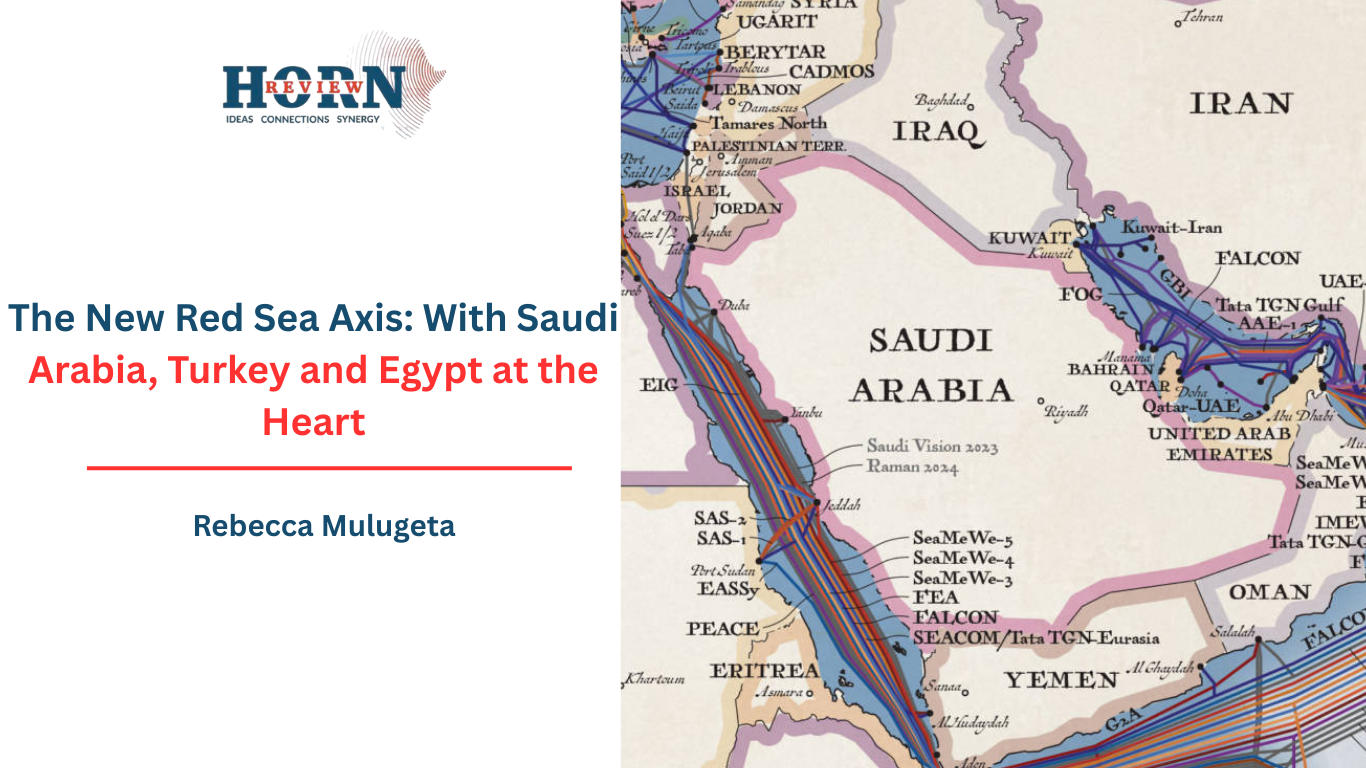
The Red Sea, a vital artery pulsing with 12% of global trade through the Bab el-Mandeb, has transitioned from a commercial conduit into the epicenter of a high-stakes geopolitical realignment. As of early 2026, the maritime landscape is no longer defined by simple transit, but by a sophisticated “Coalition of the Status Quo” led by Saudi Arabia, in strategic coordination with Turkey, Egypt, Eritrea, Sudan, and Somalia. This nascent axis, crystallized through a flurry of maritime pacts and military synchronizations, has operationalized an encirclement strategy specifically designed to dismantle the expanding influence of the UAE-Ethiopia-Israel triangle. By securing the littoral state-governed gates of the Red Sea, Saudi and its partners aim to neutralize the “Recognition-by-Deed” doctrine that threatens traditional regional sovereignty and challenges maritime stability.
The axis’s formation reveals Saudi Arabia’s masterful pragmatism as the central convener. Saudi Arabia has woven a tapestry of partnerships across the Horn of Africa and beyond, linking northern heavyweights like Turkey and Egypt with southern littoral states Eritrea, Djibouti, Somalia, and Sudan. This convergence counters UAE basing networks in Somaliland, Assab, and Socotra; Ethiopia’s maritime ambitions via Berbera; and Israel’s Somaliland recognition deepening ties, from military integration Addis Ababa to the provocative Al-Arada military facility proposal on Yemen’s Saudi-border fringe. What began as bilateral Saudi outreach rapidly scaled into a multilateral front, synchronized through high-level summits, intelligence sharing, and economic pacts. President Recep Tayyip Erdoğan’s public alignment with Crown Prince Mohammed bin Salman (MBS), joint Cairo-Riyadh declarations, and a cascade of Horn state agreements underscore the axis’s unity.
By early 2026, this framework had shifted from rhetoric to action, with Laasqooray Port’s activation and Port Sudan’s Turkish basing signaling operational maturity. Saudi Arabia’s role as architect is indisputable, starting with its targeted engagements in the Horn. In Somalia, the axis took concrete shape when Mogadishu’s Cabinet ratified a sweeping maritime pact with the Saudi General Transport Authority. This agreement integrates Somalia into Riyadh’s logistics empire, channeling investments into Laasqooray Port in Puntland as a direct federal counterweight to UAE-dominated Berbera. This built on Riyadh’s hosting of Somalia’s Foreign Minister and National Intelligence Chief Mahad Salad, setting the stage for President Hassan Sheikh Mohamud’s recent visit, where defense pacts were inked including arms transfers, training programs, and intelligence fusion centers mirroring Saudi support in Yemen but tailored to Somali federal unity.
Parallel to Somalia, Saudi Arabia deepened ties with Djibouti, the strait’s tollkeeper hosting U.S., French, Chinese, and Japanese bases. Djibouti’s ambassador’s Riyadh consultations yielded port diplomacy deals, ensuring Saudi economic leverage mitigates UAE and Chinese influences. This alignment secures Djibouti’s loyalty in Red Sea security, positioning it as the axis’s chokepoint guardian. Eritrea, meanwhile, received substantial financial aid from Riyadh amid escalating border disputes. Long isolated under UN sanctions until 2018, Asmara’s strategic ports like Massawa now benefit from Saudi stabilization funds, countering regional pressures and UAE footholds in Assab. These Horn integrations Somalia, Djibouti, Eritrea form the axis’s southern bulwark, funded and directed by Saudi coffers.
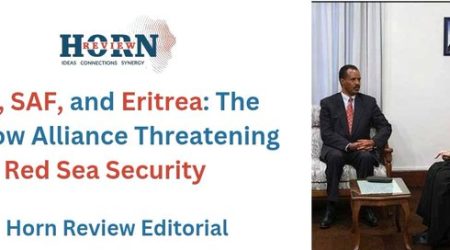
Sudan’s incorporation further exemplifies Saudi orchestration. Riyadh has historically tilted toward the Sudanese Armed Forces (SAF) in Khartoum’s civil war, providing financial backing estimated in the hundreds of millions against UAE-supported Rapid Support Forces (RSF). This funding sustains SAF operations around Port Sudan, a critical Red Sea gateway. By early 2026, Saudi aid had intensified, aligning with axis goals to weaken UAE proxies and secure Sudanese Red Sea access through SAF dominance.
Turkey’s integration into this Saudi-led axis anchors the northern flank, forged through unprecedented Riyadh-Ankara synergy. Erdoğan’s recent call with Saudi crown prince explicitly pledged Turkey’s readiness to deepen cooperation, focusing on “monitoring Somali developments” and facilitating Yemeni reconciliation. This built on Turkey’s longstanding Mogadishu presence: its massive military base, the largest overseas Turkish facility, has trained over 10,000 Somali forces and deployed Bayraktar TB2 drones against al-Shabaab. Erdoğan’s statements during the MBS dialogue “protecting Somali territorial integrity is paramount” echoed Saudi rhetoric, signaling synchronized defense of federal unity against UAE-Somaliland and Israel recognition of Somaliland.
Turkey’s bold escalation came with the Port Sudan base, providing SAF with repair yards, logistical hubs, and operational support. This move bolsters the axis’s Sudanese pivot and projects Turkish power into Red Sea politics, deterring Houthi disruptions and UAE naval ambitions. Ankara’s calculus is clear: countering UAE expansion preserves its African bridgehead, while Saudi financial weight amplifies Turkish reach without overextension.
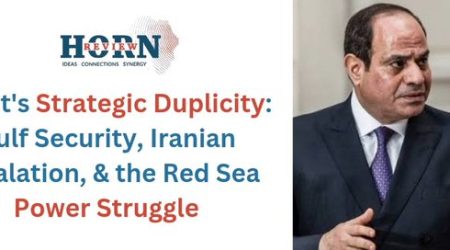
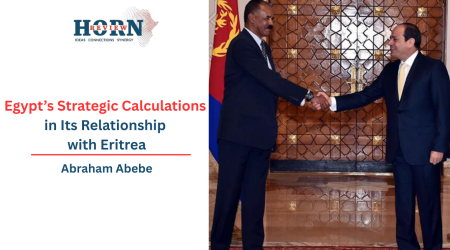
What makes the axis truly remarkable is Egypt’s pragmatic participation, despite profound rifts with Turkey. Cairo and Ankara have clashed bitterly over Mediterranean exclusive economic zones (EEZs), where Turkish drilling claims overlap Egyptian waters, and ideological chasms tied to Turkey’s Muslim Brotherhood patronage revealed by President Abdel Fattah el-Sisi. Yet Saudi mediation bridged these gaps in Cairo-hosted talks spanning Gaza, Yemen, Sudan, and economic corridors. Joint Cairo-Riyadh declarations lambasted “unilateral actions” in Somalia, enabling indirect Turkish-Egyptian coordination without direct alliance.
Egypt perceives Ethiopia’s Somaliland dalliance as an extension of the Grand Ethiopian Renaissance Dam (GERD) crisis, Israel’s role aggravates this: arms deals including Heron drones to Ethiopia, plus Haifa-Addis rail corridor talks bypassing Djibouti, threaten Suez Canal primacy and Red Sea leverage. Saudi reassurances reaffirming strategic partnerships drew Egypt in, positioning it as the axis’s diplomatic heavyweight.
The UAE-Ethiopia-Israel serves as the kinetic engine of a new regional order, challenging the status quo through a “Recognition-by-Deed” doctrine that prioritizes functional control over diplomatic consensus. Abu Dhabi’s strategy is physically manifest in a string of strategic assets from the operational naval facilities at Berbera to the logistical hubs in Assab and the ISR outposts on Socotra effectively securing the Aden corridors while creating a de facto fragmentation of the old Somali state.
The integration of Israel into this axis highlighted by recognition of Somaliland and reports of a joint facility in Al-Arada introduces a new layer of existential risk for the traditionalists. By thrusting Israeli security assets into the Saudi periphery, this alignment directly clashes with the stabilization goals of Vision 2030. Riyadh’s riposte has been swift and systematic: a series of Saudi-Somali maritime pacts aimed at accelerating the development of rival ports like Laasqooray, paired with a financial offensive to secure the loyalties of Eritrea and Djibouti. This is a battle of networks, where Riyadh’s “Coalition of the Status Quo” seeks to erode the “Coalition of Reality” before its infrastructure becomes an irreversible fact of life.
In the merciless arena of the Horn, historical precedents of Cold War proxy battles are being superseded by a far more sophisticated multipolar order. The Red Sea Axis stands as a finalized strategic convergence, where Saudi Arabia has masterfully synchronized Turkey’s military projection, Egypt’s diplomatic weight, and the fortified littoral borders of Eritrea, Djibouti, and Somalia into a singular defensive front. By integrating Somalia’s federal ports and bolstering the SAF stronghold in Sudan through targeted financial infusions, Riyadh has operationalized an encirclement designed to push back the UAE-Ethiopia-Israel encroachment. This is no longer a collection of fragmented ambitions; it is a resilient coalition that prioritizes traditional sovereignty as the cornerstone of Red Sea stability.
By Rebecca Mulugeta, Researcher, Horn Review