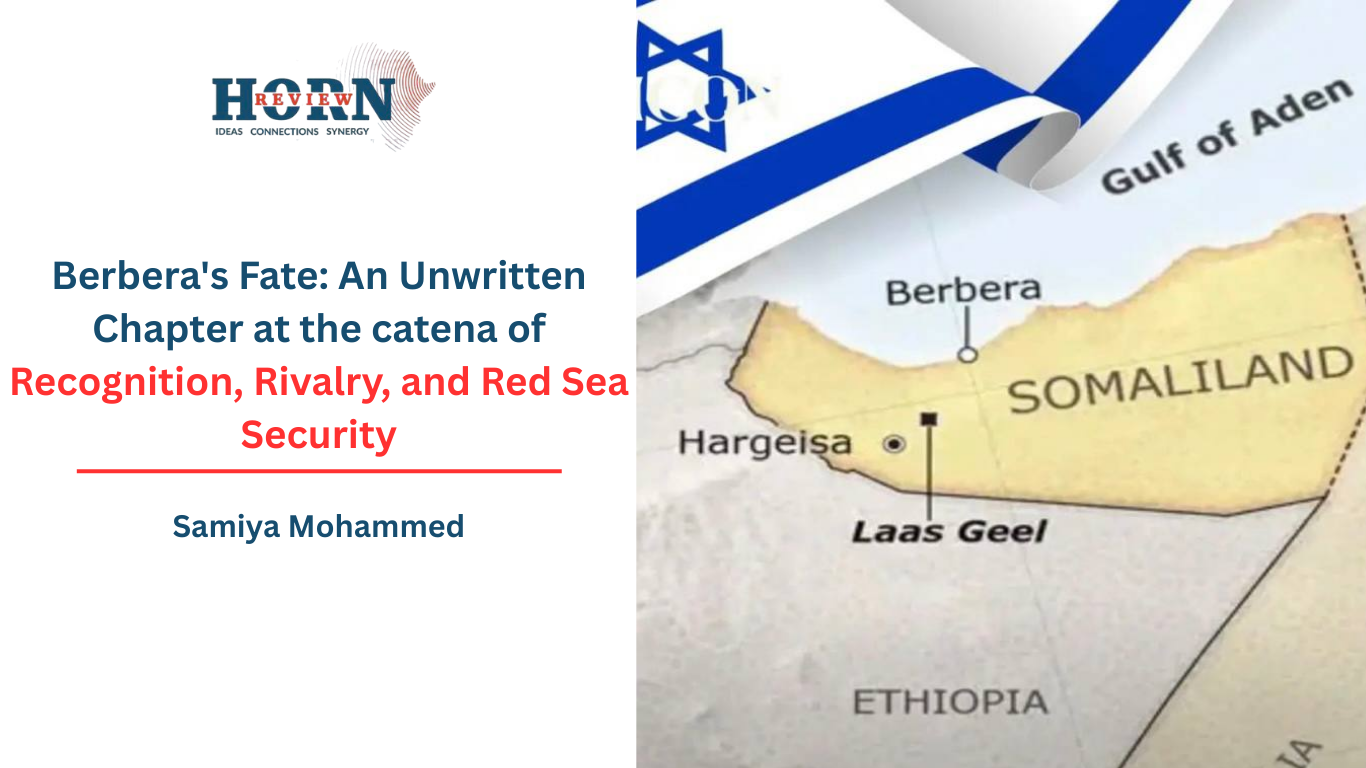
On the coastline of the Gulf of Aden where the Soviet Union once built a naval outpost to project Cold War power, history’s pendulum has swung back to the port of Berbera. Today this historic harbour finds itself at contemporary international contention. The stimulus for the latest chapter was Israel’s December 2025 decision to become the first United Nations member state to formally recognize the Republic of Somaliland, a territory that declared independence from Somalia in 1991. This diplomatic move articulated in the spirit of the Abraham Accords precipitates a pressing analytical inquiry of what the fate of Berbera is and Does its future entail transformation into an center of a new external competition
The persistent relevance of Berbera is fundamentally derived from its immutable geographic and infrastructural attributes rather than transient political circumstances. The port is situated approximately 160 miles from the coast of Yemen positioning it as a sentinel over the southern access to the Bab el-Mandeb Strait. This narrow maritime passage functions as a critical point facilitating the transit of an estimated 12 to 15 percent of worldwide seaborne trade including a substantial proportion of hydrocarbon energy shipments. This location has historically conferred upon Berbera the character of a decisive geographic lever for influence within the Red Sea maritime system.
This inherent geographic value is substantially augmented by developed physical infrastructure. The port itself features deep water berthing capabilities, while the adjacent airfield boasts one of the longest runways on the African continent. Originally constructed with Soviet technical assistance to serve military strategic purposes during the Cold War the airfield’s exceptional specifications later led to its designation by the United States’ National Aeronautics and Space Administration NASA as a contingency landing site for the Space Shuttle program.
Operationally, the port is a joint venture. The Emirati logistics giant DP World holds a stake in a 30 year concession. The Somaliland government retains a share with minority investment from British International. This structure shows a central truth where Berbera is not fully owned by any single foreign power. The Somaliland government retains sovereignty and leverages these foreign partnerships for economic development and crucially its long sought goal of international recognition.
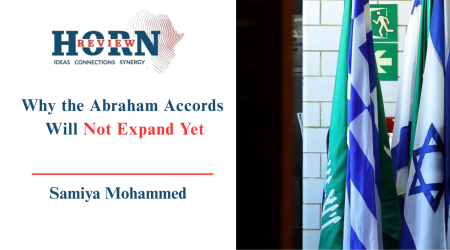
Israel’s recognition shattered a long international consensus to defer to the African Union on Somaliland’s status. An Israeli presence potentially starting with an intelligence listening post would offer a vantage point to monitor and counter Houthi activities which have included missile and drone attacks on Israeli territory. Any perceived Israeli node in Somaliland would likely attract hostile attention from the Houthis and their partners to demonstrate that the Gulf of Aden is not a sanctuary.
The recognition from a powerful UN member state even a controversial one is a monumental diplomatic breakthrough after 35 years of seeking statehood. It hopes Israel’s move will set a precedent creating a pathway for others to follow. In July 2025, Somaliland’s president even reversed an earlier position and announced his administration was prepared to host a US military base at Berbera as part of a broader recognition strategy. However, this carries immense risk. By aligning first with Israel whose standing in the Muslim world has plummeted due to the war in Gaza, Somaliland may have poisoned the diplomatic well. Few countries in Africa or the Arab world wish to be seen as following Israel’s lead. Furthermore, the move has galvanized a formidable coalition of opponents dedicated to preserving the regional status quo.
The reaction to Israel’s move was swift.The Federal Government of Somalia in Mogadishu rejected it as an unlawful attack on its sovereignty and territorial integrity. It found powerful allies. Fourteen of the fifteen UN Security Council members condemned the recognition. An emergency session of the African Union Peace and Security Council was convened with the AU Commission chair rejecting any initiative or action aimed at recognising Somaliland and warning it risked dangerous precedent with implications.
As competing networks solidify, the fate of Berbera becomes a proxy for deeper questions about order, sovereignty, and stability. During the Cold War Berbera was a Soviet base, a prize in the US-USSR rivalry that saw superpowers flip alliances between Somalia and Ethiopia leaving a legacy of conflict. Today, the actors are more numerous with middle powers like the UAE, Turkey, and Saudi Arabia, alongside global powers but the pattern of external powers generating local divisions for gain appears to be repeating. This history compels us to ask that Is the world witnessing the opening of a new chapter of proxy competition? Furthermore, what responsibility do external investors and patrons bear?Can commercial investment and competition be so neatly separated, or does such involvement constitute, complicity by omission in regional conflicts.
Somaliland’s internal stability is not guaranteed and it exercises little control over its eastern regions, where populations reject its rule. A renewed push to enforce its claimed borders backed by powerful foreign allies, could ignite internal civil strife. For Somalia, fighting al-Shabab this external meddling fragments its politics further. The potential for backlash from regional groups with popular support is tremendous and frightening.The fate of Berbera remains unwritten. It could become a place for economic development and a recognized pillar of a new, stable state. Alternatively, it could become the center of a protracted regional crisis, a symbol of how 21st century geopolitical competition can destabilize entire regions. The history of Berbera shows that when foreign flags arrive, they often bring not only investment and security agreements but also the seeds of future conflict. The question now is whether today’s actors will choose to learn from that history.
By Samiya Mohammed, Researcher, Horn Review