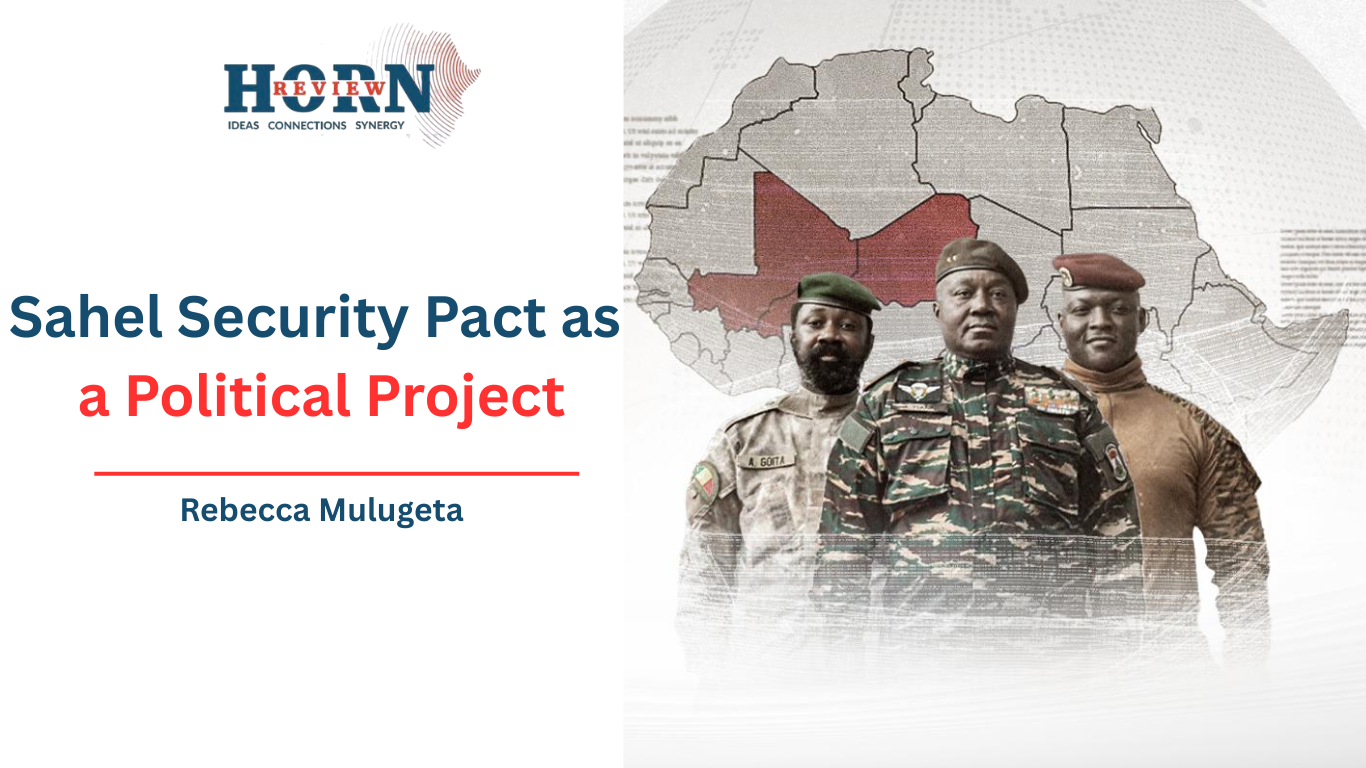
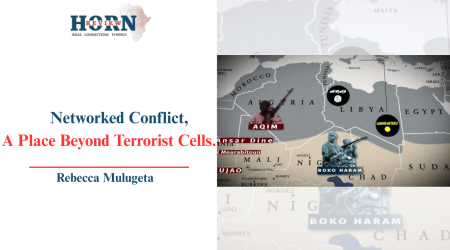
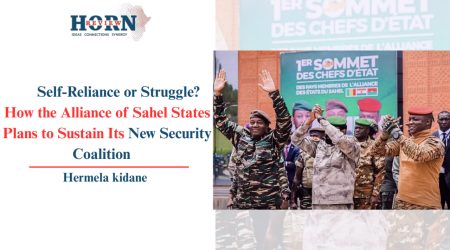
The question of whether the Sahel Alliance has become more political than security-focused is no longer speculative. It is now unavoidable. What began as a response to violent extremism in Mali, Burkina Faso, and Niger has evolved into something that cannot be adequately explained through counterterrorism frameworks alone. The alliance increasingly behaves not like a military coordination mechanism but like a political actor, one that defines legitimacy, resists institutional discipline, and reshapes regional order. Security may have been the catalyst, but politics has become the structure.
To understand why this shift matters, it is useful to step back from the Sahel itself and examine how alliances historically evolve once they outgrow their original functional purpose. In multiple global contexts, alliances formed around security, resources, or vulnerability have gradually transformed into political projects. When this happens, effectiveness becomes secondary to identity, and survival becomes more important than outcomes. The Sahel Alliance now fits this pattern.
The first and most familiar example comes from the Cold War, when military alliances ceased to be about defense and became systems of political alignment. NATO was formally established to deter external aggression, but in practice it institutionalized a political and economic order rooted in liberal democracy and market capitalism. Membership implied adherence to a worldview, not merely participation in joint defense. On the opposite side, the Warsaw Pact presented itself as defensive while functioning as an enforcement mechanism for socialist governance and ideological conformity. States were disciplined not just militarily but politically. In both cases, security language concealed a deeper transformation: alliances became guardians of legitimacy.
The relevance of this example to the Sahel lies not in ideology, but in function. Like Cold War blocs, the Sahel Alliance increasingly defines who belongs, who decides, and who has the authority to judge. It is not exporting a doctrine, but it is constructing a boundary between insiders and outsiders. ECOWAS, Western partners, and liberal governance norms now sit clearly outside that boundary.
A second example helps explain how coordination around a single shared vulnerability can generate political power. OPEC was not created to challenge global order. It was formed to manage oil production and stabilize prices in a system dominated by external actors. Yet once coordination proved possible, it quickly became political. Control over oil was transformed into leverage over diplomacy, markets, and international behavior. The 1970s oil shocks demonstrated that OPEC’s power did not come from technical efficiency, but from collective posture. Even when members disagreed or underperformed, the organization endured because it fulfilled a political function: reclaiming agency.
The Sahel Alliance mirrors this path? Terrorism functions as the shared vulnerability that justified coordination, much as oil did for OPEC. But the alliance’s influence does not stem from defeating insurgents, just as OPEC’s influence did not stem from producing oil more efficiently. It stems from acting together. Sanctions lose bite when shared. Isolation becomes solidarity. Criticism is reframed as confirmation of resistance. Security failure is no longer a liability; it becomes a rationale for political insulation.
Another example helps explain why such alliances, The Non-Aligned Movement, was never a military alliance and never promised security or prosperity. Many of its members remained unstable, and internally divided. Yet the movement endured because it met a political need. It offered post-colonial states collective dignity and autonomy in a system dominated by others. Its foundational moment, the Bandung Conference, did not create institutions or commands, but it created identity. Neutrality itself became political.
The Sahel Alliance functions in a similar way. It does not promise victory over insurgents. It offers its members a shared language of sovereignty, resistance, and self-definition. Like non-alignment, it transforms vulnerability into posture. Taken together, these examples reveal a consistent pattern. Alliances become political when three conditions are met. First, the existing order loses legitimacy. Second, coordination offers insulation rather than solutions. Third, identity begins to matter more than performance.
The question, then, is no longer whether the Sahel Alliance is more than security. The more important question is what kind of political alliance it is becoming. History offers cautionary lessons. Cold War blocs entrenched authoritarianism. Non-alignment preserved sovereignty but often at the cost of accountability. Political alliances solve some problems by postponing others.
The key analytical mistake would be to evaluate the Sahel Alliance by security metrics alone. That lens will always fail. The correct lens is political. Does the alliance redistribute power? Does it redefine legitimacy? Does it alter how external actors engage?
This has implications beyond the Sahel. Regions like the Horn of Africa, where insecurity, external involvement, and contested legitimacy intersect, are fertile ground for similar transformations. Security cooperation can quickly harden into political identity once trust in existing systems collapses. The Sahel Alliance did not set out to become political. But history shows that alliances rarely choose what they become. They evolve in response to failure. When systems fail repeatedly, resistance becomes rational, and politics fills the vacuum left by security.
Security brought these states together. Politics now holds them together. They begin to shape order itself, not because they succeed, but because they refuse to dissolve. That is the real significance of the Sahel Alliance today. It is no longer asking how to defeat insurgents. It is asking who has the authority to govern insecurity. That question marks the moment an alliance stops being about security and becomes political.
By Rebecca Mulugeta, Researcher, Horn Review