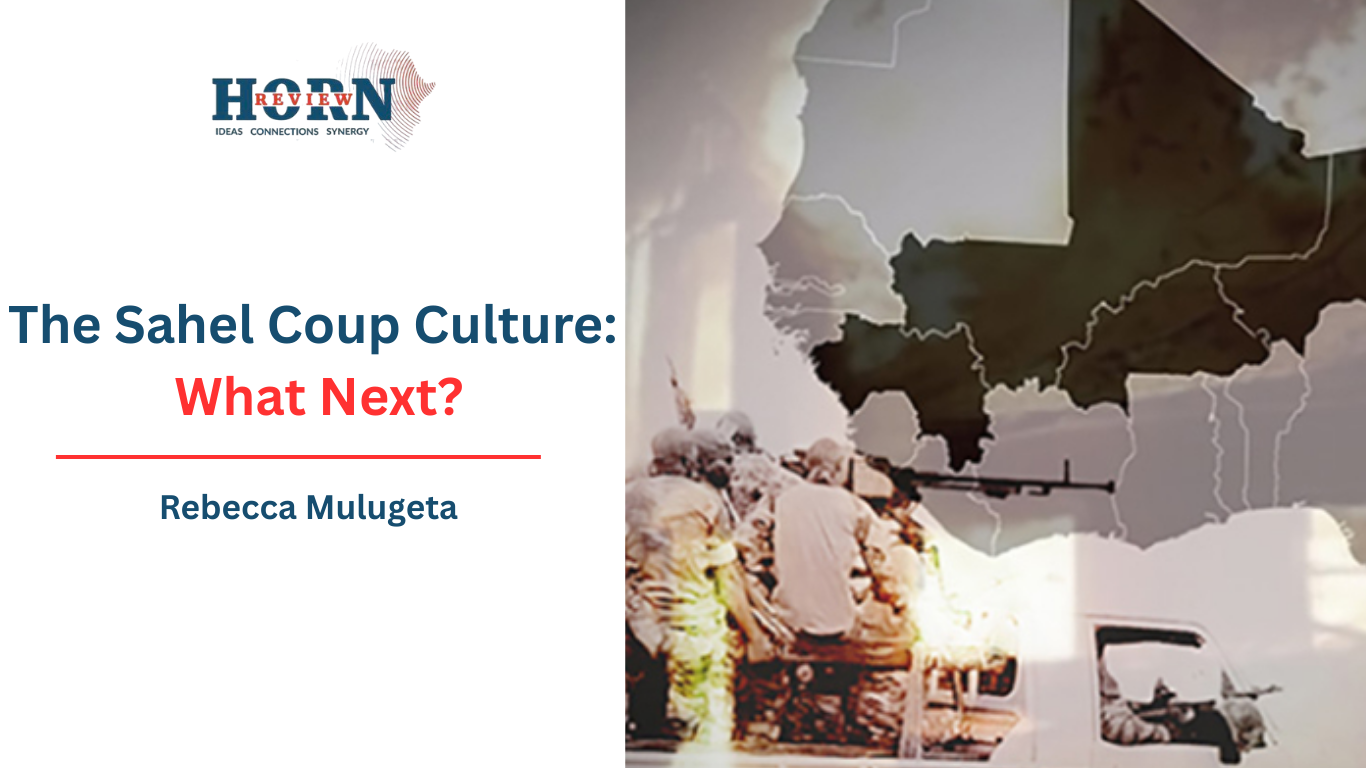
The Sahel is gripped by a viral phenomenon of “Coup Culture,” where officers in barracks scroll through a new playbook of power, watching neighboring colonels transform from soldiers to superstars. This isn’t merely a series of power grabs; it is a systemic rejection of the post-colonial order that has swept across Mali, Burkina Faso, Niger, and Sudan since 2020. From Colonel Assimi Goïta’s double-tap tank maneuvers in Bamako ousting a stagnant elite to replace French influence with Russian kinetic support to the meteoric rise of Ibrahim Traoré, whose anti-Western rhetoric and fierce “sovereignty first” mandates have turned Burkina Faso into a laboratory for neo-revolutionary juntas, the regional status quo has been dismantled. The formation of the Alliance of Sahel States (AES) has institutionalized this trend, creating a “A military Rule Club” that trades democratic norms for shared military intelligence and defiant autonomy. This wave of militant populism peaked with the 2021 disruption in Sudan, which, despite triggering a catastrophic civil war, solidified a grim new reality: across a massive swathe of Africa, the palace coup is no longer a taboo, but a celebrated strategy for those who hold the “radars and the guns.
Why does this spread so fast? Coups don’t care about maps they travel on shared pain. Jihadist groups like JNIM and ISIS hit every country the same way, burning villages and making civilian leaders look weak. Officers chat and share videos of Traoré’s bold speeches and Goïta’s parades, thinking, “Why not here?” cheap guns and gold deals replace other foreign countries’ failed missions, and hard times jobless young people, empty stomachs, dying livestock make soldiers the heroes everyone wants. Borders mean nothing; plotters train together in the desert, arms from Sudan show up in Eritrea, and social media turns these takeovers into cool, copycat inspiration.
The Sudanese implosion has become the primary catalyst for regional destabilization, acting as a “bridge” that exports volatility directly into the Horn of Africa’s most sensitive corridors. The ongoing conflict has flooded the region with asymmetric threats, including sophisticated weapons and radicalized narratives that are testing the “unitary cohesion” of neighboring states. In Eritrea, the thirty-year stagnation under Isaias Afwerki’s permanent mobilization may have created a fertile environment for Sahel-style disruption not only this Eritrea is also out from regional organization IGAD where disgruntled generals may look to the Burhan playbook to justify a security-first takeover.
Djibouti remains equally vulnerable; while the Guelleh administration monetizes its geospatial arbitrage through foreign base rents, the growing friction between entrenched clan elites and a disenfranchised youth creates a “Mali-style” risk profile, where a military faction could weaponize populist anger to seize control of the nation’s rentier assets. Simultaneously, the proliferation of Sudanese arms into Somalia’s fragmented landscape has empowered sub-state strongmen and insurgent groups like al-Shabaab, who now possess the kinetic capacity to challenge Mogadishu’s federal authority. And also South Sudan difference between Kirr and Machar . Ultimately, the Horn is facing a contagion of state-failure, where the collapse of institutional norms in one capital provides the blueprint for opportunistic coups across the entire Red Sea littoral.
What makes the Horn extra dangerous? It’s not just poor, it’s a pressure cooker of foreign powers, hidden riches, pushy neighbors, and rebels lurking everywhere. Djibouti packs 25,000 foreign troops into a tiny spot, with drones nearly bumping ships, fueling cries of “sellout.” Untapped treasures like Danakil minerals worth billions tempt soldiers to promise “our resources for us.” Gulf states arm clans, Egypt eyes the sea, and groups like al-Shabaab could team up with Sahel jihadists through Sudan. This mix turns Sahel ideas into Horn explosions foreign bases make coups look like freedom fights, resources sweeten the deal, bullies stir anger, and insurgents give excuses like only soldiers can fix security
The region’s stability is threatened by a viral “coup culture” and militant populism, driven by a growing perception that entrenched leadership has failed to deliver security or economic equity. This contagion of disruption fueled by the spillover of neighboring civil wars and the proliferation of asymmetric arms targets fragile states where “rentier” economies and centralized autocracies face a legitimacy crisis among disenfranchised youth and junior officers. To neutralize this threat, the region must move beyond “blind firepower” toward a model of performance legitimacy, implementing transparent revenue-sharing from strategic assets, fostering regional integration through infrastructure like dams and railways, and professionalizing military corps to resist the seductive blueprint of “sovereignty-first” revolts. Ultimately, the choice is between proactive structural reform through a unified regional integration or a chaotic remapping of the territory by opportunistic factions who view the palace coup as the only path to national renewal.
By Rebecca Mulugeta, Researcher, Horn Review